
 SkyCare
  Travel Advice
Injured Abroad Through Misadventure: What Treatment You’ll Get – and What You’ll Have to Pay For
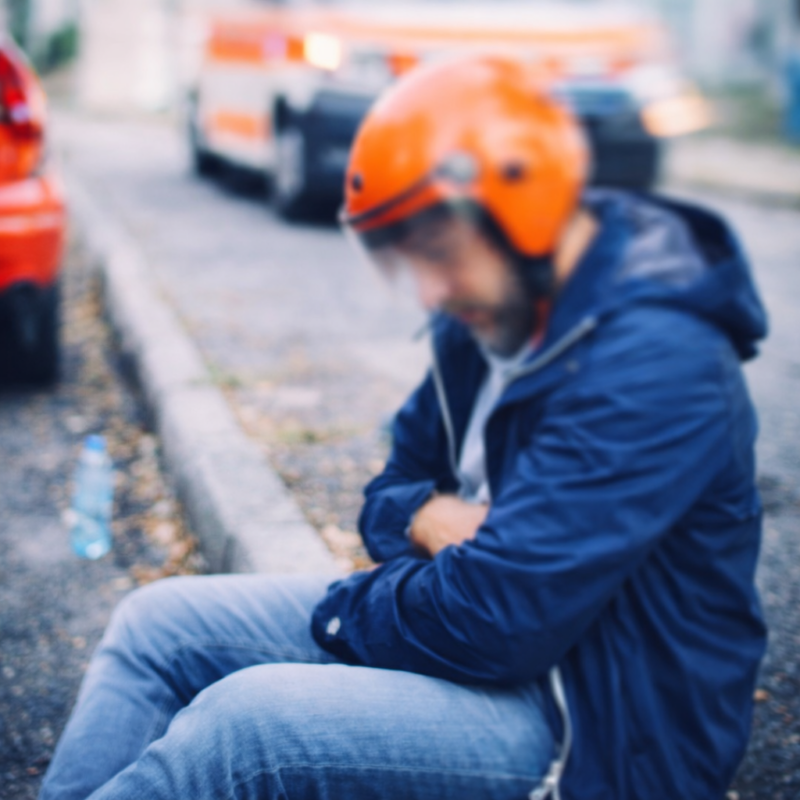
It starts with a crash, a fall, or sometimes just one too many cocktails. Whether it’s a moped accident in Thailand, a skiing wipeout in the Alps, or – as we’ve seen all too often – someone tumbling off a balcony after a misjudged selfie, these incidents are classed as misadventures. And if your travel insurance excludes misadventure (most do), you could be left seriously injured abroad without cover.
So, what happens next? What treatment will you receive abroad? Will the hospital operate? And more importantly, how much of it will you need to pay for upfront?
The reality is this: most hospitals around the world will do what’s medically necessary to save your life – but that’s where their generosity usually stops. Fixing broken arms, fractured legs, or planning onward travel? That’s often your problem, and your family’s bill to pay.
Right now, we’re helping repatriate a UK citizen from Asia. After falling from a rooftop and sustaining multiple injuries, he’s had three operations and racked up over £30,000 in private medical fees – with more surgery still needed back in the UK. He wasn’t insured. The hospital demanded payment before treatment, and his family had to act fast.
This guide will walk you through exactly what happens if you’re injured abroad through misadventure, what kind of emergency treatment you can expect without insurance, and how much it might cost depending on where you are in the world.
We’ll also cover when to call us at SkyCare – and how we can help get you or your loved one home safely, even in the worst-case scenario. See our FAQ
What Medical Treatment Will I Get Abroad After a Misadventure?
If you’re injured abroad during a misadventure, what medical care you receive depends heavily on the country you’re in – and the hospital you’ve been taken to. While most facilities will provide life-saving treatment regardless of your insurance status, that’s often where the care ends.
Broken bones? Internal injuries? Some hospitals may stabilise you, but leave follow-up surgeries or recovery to your home country. In places like Spain or France, you might be patched up and discharged quickly. In South America or Southeast Asia, you could be facing private hospital bills before treatment even begins.
Whether you’re in a ski resort clinic or a rural emergency ward in Thailand, expect to be asked about your travel insurance – and possibly shown the cost breakdown before a doctor picks up a scalpel.
What You’ll Have to Pay For – and Why It Varies So Much
If you’re injured abroad and not covered by insurance, you or your family will likely be asked to pay for treatment upfront – and the cost varies wildly depending on where you are, how serious the injuries are, and whether you’ve ended up in a public or private hospital.
Some hospitals abroad will demand a deposit before starting treatment – even in emergencies. Others may provide initial care but hold you (or your passport) until bills are paid. We’ve seen families charged tens of thousands of pounds for surgery, intensive care, or even a basic hospital bed after an accident considered a misadventure.
A broken leg in Austria might be stabilised and handed off to the NHS when you get home. But the same injury in Bali or Bogotá? That could mean multiple surgeries, a week in ICU, and a £20,000 bill – all payable before you’re even cleared to fly.
Worse still, if your insurance deems the incident “reckless” – riding a moped without a helmet, paragliding, skiing off-piste, or being under the influence – they may refuse the claim entirely, leaving you with every cost.

What Counts as a ‘Misadventure’ in Insurance Terms?
Travel insurance doesn’t automatically cover every accident or injury. In fact, UK insurers often define cover in ways that specifically exclude many of the most common misadventures people suffer while abroad — particularly those involving risky behaviour, alcohol, or undeclared activities.
1. “Accident” vs “Misadventure”
Most travel insurers describe an accident as a sudden and unexpected event. But that doesn’t mean it’s covered. If the insurer believes your injury resulted from behaviour they consider reckless or from an activity not included in your policy, they may refuse to pay. That’s where the concept of “misadventure” comes in.

Not All “Unexpected” Injuries Are Covered
A misadventure might feel like an accident to you — but to your insurer, it can look like a breach of terms.
2. Common Exclusions in UK Travel Insurance Policies
Based on the wording in real UK policy documents, here are some situations that insurers commonly exclude:
- Risky Activities Without Extra Cover: Quad biking, skiing off-piste, riding mopeds or jet skis – these are usually excluded unless you’ve added specific adventure cover to your policy.
- Reckless or Dangerous Behaviour: Injuries caused by ignoring warning signs, safety instructions, or local laws are often considered “needless self-exposure to danger” and excluded.
- Alcohol or Drug Involvement: If you’re injured while under the influence, your claim is very likely to be rejected — even if the accident wasn’t directly your fault.
- Undeclared High-Risk Activities: If you planned to take part in certain sports or activities but didn’t inform the insurer or pay extra, any resulting injury may be treated as excluded.
- Travelling Against Official Advice: Travelling to areas against FCDO guidance can invalidate your policy entirely, leaving you without cover for any kind of misadventure.
Even genuinely unplanned incidents can fall outside your cover. For example:
- Injuries from repetitive strain or gradual wear and tear.
- Medical issues related to undeclared pre-existing conditions.
- Anything arising from an excluded activity, even if it wasn’t particularly risky.
These fine print limitations are one of the main reasons travellers are so often surprised when a claim is denied. It’s rarely about the injury itself — it’s about how the policy was set up in the first place.
Why This Section Matters
Understanding what insurers count as a misadventure isn’t just a technical detail — it can be the difference between getting help and being left to cover tens of thousands in medical bills yourself. If your policy doesn’t cover the circumstances of your injury, you’ll need to arrange and fund repatriation privately. That’s where SkyCare steps in.
Misadventure Abroad: Your Questions Answered
If you or a loved one are injured abroad and can’t afford the cost of medical repatriation, you’re not alone — we speak to families every week facing unexpected hospital bills and no clear way to get home. The good news? You have options, and people are often more willing to help than you think.
First, you can contact our team about SkyCare’s pro bono support service. We occasionally assist with heavily discounted or donated flights in extreme hardship cases. We can’t help everyone, but we’ll always try to guide you to the right next step.
Secondly, a growing number of families are using crowdfunding platforms like GoFundMe to raise the money needed for hospital costs and flights. If you’re thinking of going down this route, here are some key tips to help make your campaign successful:
- Be clear and personal: Tell your story, use names (with permission), and explain the circumstances honestly. People connect with real stories, not vague emergencies.
- Include photos (with care): A picture of the person being helped (in hospital or en route home) can make a huge difference — but avoid anything graphic or distressing.
- Be transparent with costs: Break down what you need — e.g., £2,000 for hospital fees, £12,000 for repatriation with a medical escort.
- Update regularly: Keep supporters informed. If repatriation is booked or their condition improves, say so. It builds trust.
- Share smart: Ask friends and family to share on Facebook, WhatsApp, local community groups and even with local press if appropriate.
We’re currently building a full guide on how to start a GoFundMe for repatriation, with example wording and templates — let us know if you’d like early access.
In a crisis, you may feel powerless — but many families have raised thousands in just a few days with a clear story and some community support. And if you’re not sure where to begin, speak to our team. Even if we can’t help directly, we’ll help you figure out what to do next.
In most parts of the world, hospitals will provide life-saving emergency treatment first, and ask questions about money later. But once you’re stabilised, everything else — surgery, pain relief, scans, transport, accommodation — may require upfront payment, especially if you’re uninsured or the hospital believes your travel insurance won’t cover it due to misadventure.
In many countries, including the USA, parts of South America, Southeast Asia, and the Middle East, hospitals may request a deposit before continuing care. This can range from a few hundred pounds for basic treatment to £10,000 or more for surgery or intensive care. We’ve worked on cases where families have had to raise money urgently just to keep treatment going.
In the EU and EEA, British citizens with a valid GHIC or EHIC card may receive urgent care in public hospitals — but even there, private clinics (especially in ski resorts or holiday islands) may turn you away if you can’t provide insurance details or payment upfront.
What’s considered “urgent” also varies. A shattered leg may not be classed as life-threatening — meaning it might be strapped, pain-managed, and you’ll be told to fly home for surgery. That’s assuming you’re fit to fly.
Wherever you are, the hospital will almost certainly ask:
- “Do you have insurance?”
- “Who is paying for this?”
- “Can you provide a deposit?”
If the answer is no, you may receive only the bare minimum. That’s why it’s crucial to contact us early, especially if surgery, sedation or longer-term care is needed. We can liaise directly with the hospital and advise on next steps — whether that’s flying you home for treatment or helping your family manage the situation from the UK.
In many parts of the world, if you can’t pay your hospital bill, you may not be formally detained — but you might not be allowed to leave either. Hospitals, especially private ones, have the right to withhold discharge papers, refuse further treatment, or delay repatriation until some or all of the bill is paid.
This isn’t personal — it’s about money. Healthcare systems abroad don’t always have the same protections or principles as the NHS. If you’re in a private hospital in South America, Asia, or the Middle East, your passport might be photocopied and your family could be chased for full payment before you’re discharged.
We’ve handled cases where patients were technically well enough to fly but couldn’t leave because a hospital was holding onto unpaid bills — sometimes tens of thousands of pounds. That’s why we advise contacting our team at SkyCare as soon as possible. We can speak to the hospital, clarify what’s required for discharge, and help with next steps, whether that’s booking a medical flight or helping raise funds.
Note: If you’re in a legal dispute, or have been formally arrested or detained, that’s a separate issue — in those cases, contact the nearest British embassy for advice and support.
This is one of the most common misconceptions we hear — and sadly, the answer is no. The UK government and British embassies do not pay for medical bills, hospital treatment, or repatriation costs abroad, even in serious emergencies.
If you contact an embassy after an accident, they’ll usually:
- Offer advice on local hospitals and translators
- Help contact your friends or family in the UK
- Explain your legal rights (if there’s a dispute)
- Provide a list of approved UK-based repatriation companies (we’re on it!)
But they won’t pay your bill or arrange transport home. That’s your responsibility — or your insurer’s, if you’re covered. If you’re not insured, or your claim is rejected due to misadventure, you’ll need to cover the costs privately or seek financial help from charities or crowdfunding.
The embassy may also advise you to speak with a repatriation provider like SkyCare. We’ve worked alongside embassies in dozens of countries to help families get clear on the situation, assess what’s needed, and start arranging safe transport home.
In short: the embassy can support you — but they won’t fund your recovery.
Even if your insurance won’t pay, our repatriation team can arrange a safe medical flight back to the UK — fast, discreet, and on your terms.
Caught Out Abroad? We Can Still Get You Home Safely.
If you’ve been injured abroad and your travel insurer won’t cover the costs due to a misadventure clause or activity exclusion, you’re not alone — and you’re not stuck. Our team specialises in arranging safe, medically-supported repatriation from anywhere in the world, whether or not insurance is involved.
We’ll liaise with the hospital, help coordinate medical records, and provide an air ambulance or commercial medical escort depending on your condition and budget. It’s fast, discreet, and completely tailored to your needs.
Call us now for urgent advice, or use our 24/7 contact form and we’ll respond immediately.
Get a Quote