UK Ambulance Levels Explained - BLS, ILS, ALS & ICU – what they really mean
Choosing the right ambulance matters — especially when booking from overseas
When arranging medical transport in the UK, terms like BLS, ILS, ALS and ICU ambulance are often misunderstood, particularly by international patients, families and case managers.
These categories do not mean the same thing in the UK as they do in many other countries. Choosing the wrong level can lead to unnecessary cost, delays, or a vehicle that is not clinically appropriate.
This page explains the real differences, in plain English, so you can book the right ambulance, first time.
Service Levels
| Service | BLS | ILS | ALS | ICU |
|---|---|---|---|---|
| Paramedic | ❌ | ❌ | ✅ | ❌ |
| Doctor | ❌ | ❌ | ❌ | ✅ |
| Basic Life Support with AED | ✅ | ✅ | ✅ | ✅ |
| Intermediate Life Support | ❌ | ✅ | ✅ | ✅ |
| Advanced Life Support | ❌ | ❌ | ✅ | ✅ |
| Basic Airway Management | ✅ | ✅ | ✅ | ✅ |
| Advanced Airway Management | ❌ | ❌ | ✅ | ✅ |
| Observation Recording | ❌ | ✅ | ✅ | ✅ |
| Observation Interpretation | ❌ | ✅ | ✅ | ✅ |
| 12-Lead ECG Monitoring (inc. recognition of STEMI) | ❌ | ✅ | ✅ | ✅ |
| 12-Lead ECG interpretation | ❌ | ❌ | ✅ | ✅ |
| Cardiac Drug Administration (Aspirin, GTN) | ❌ | ✅ | ✅ | ✅ |
| Entonox | ❌ | ✅ | ✅ | ✅ |
| Oxygen | ✅ | ✅ | ✅ | ✅ |
| Schedule 19 Medication | ❌ | ✅ | ✅ | ✅ |
| Schedule 17 Medication | ❌ | ❌ | ✅ | ✅ |
| Ventilated / Intubated Patients | ❌ | ❌ | ❌ | ✅ |
| Blue Light Emergency Driving 🔵 | ❌ | ✅ | ✅ | ✅ |
| Full Drug Formulary | ❌ | ❌ | ❌ | ✅ |
Choosing the Correct Ambulance Level
The UK uses distinct ambulance categories, each with different staffing, equipment and capabilities. The summaries below explain when each level is appropriate and help prevent common booking errors.
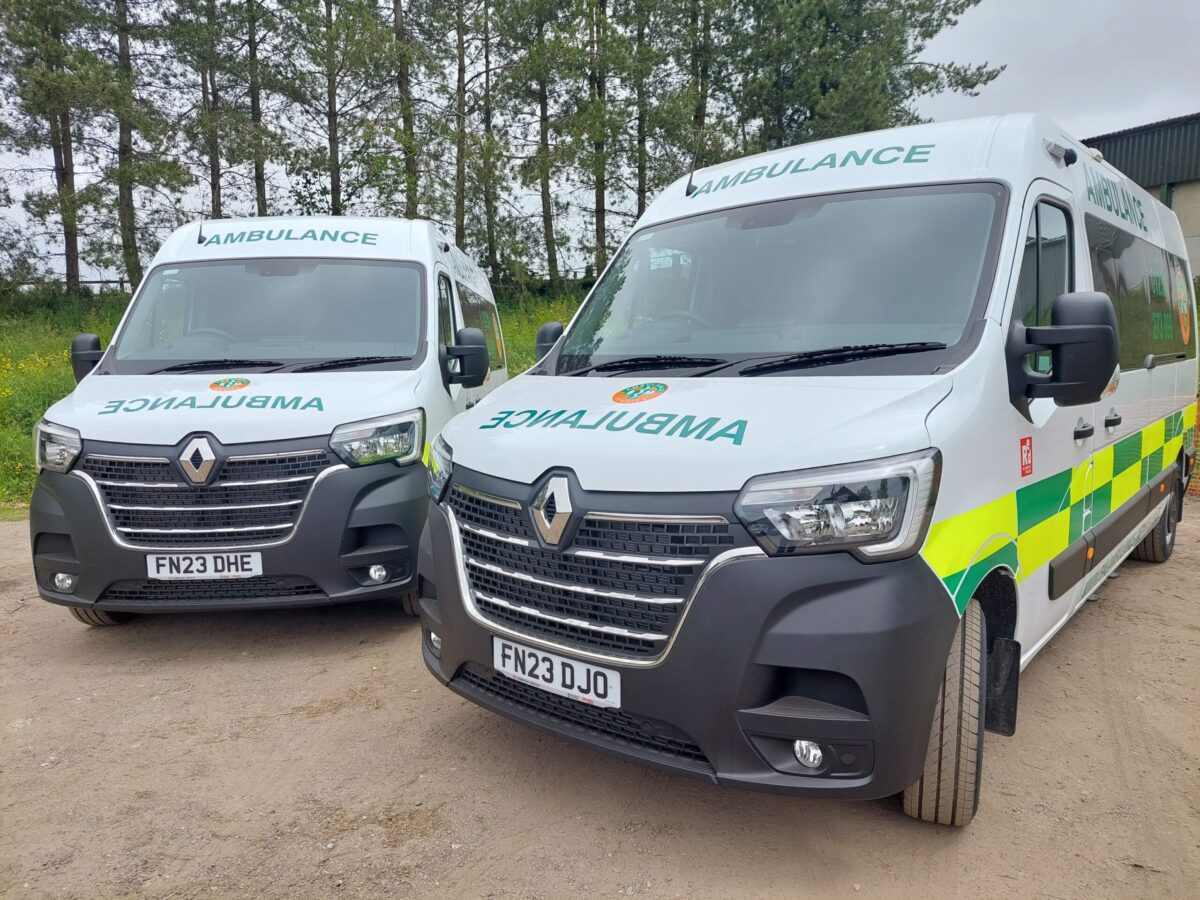
BLS Ambulance - Basic Life Support (BLS)
A BLS ambulance is designed for patients who have low medical needs but require assistance with transport due to reduced mobility, frailty, or supervision requirements.
In the UK, a BLS ambulance is not an emergency vehicle and is not staffed by paramedics or doctors. It is appropriate for stable patients who do not require continuous monitoring or advanced medical intervention during the journey.
What a BLS ambulance includes
- Basic ambulance crew L3 (non-paramedic)
- Basic first aid equipment
- AED (defibrillator)
- Oxygen for supportive use
- Stretcher and patient handling equipment
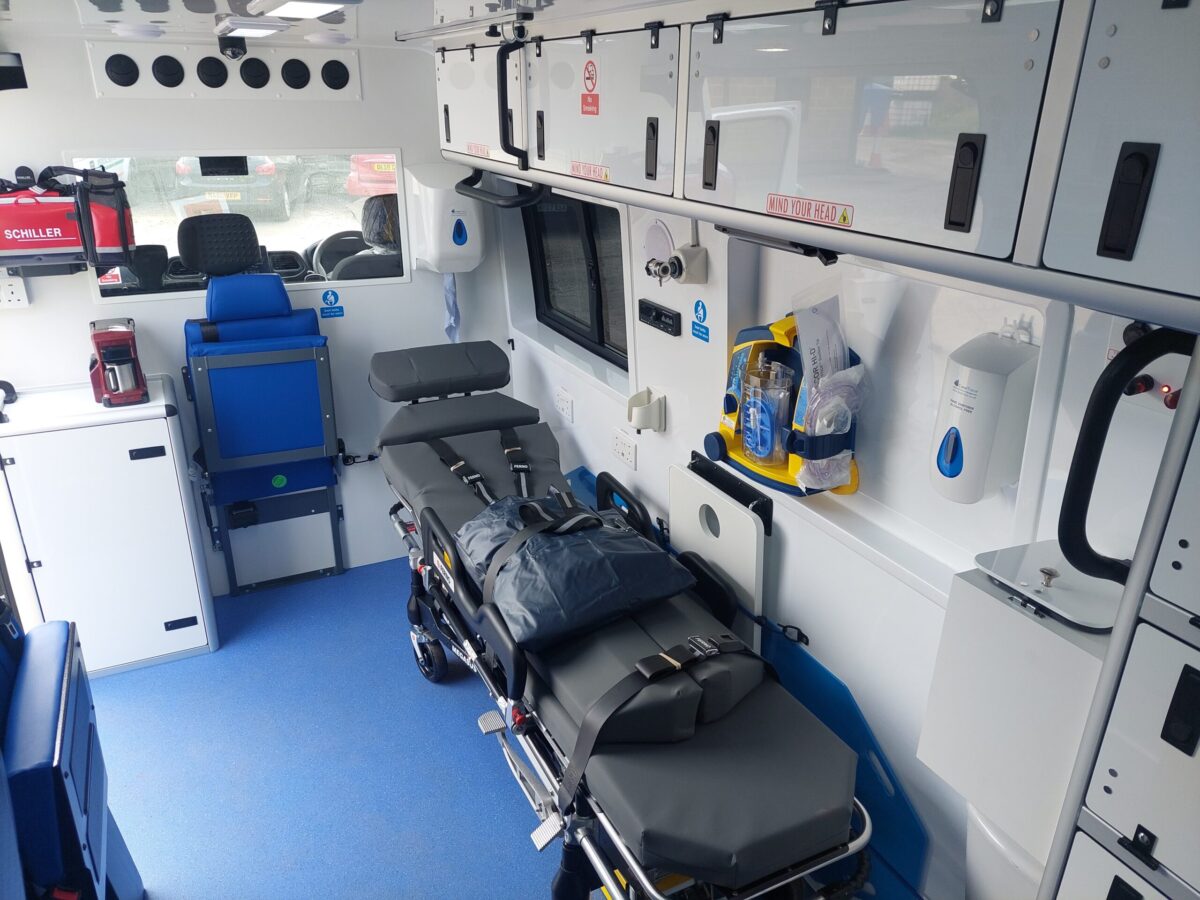
ILS Ambulance - Intermediate Life Support (ILS)
An ILS ambulance (Intermediate Life Support) is designed for patients who are clinically unwell and require a higher level of care than basic transport, but who do not need critical care or a doctor-led team.
In the UK, an ILS ambulance is a high-dependency medical vehicle equipped to monitor and support patients during transfer. It operates as an emergency vehicle when required and is driven by a blue-light trained ambulance driver.
What an ILS ambulance includes
- Trained ambulance crew L4/5 (non-paramedic)
- Cardiac monitor
- AED (defibrillator)
- Oxygen and airway support equipment
- Enhanced medical equipment for patient monitoring and care
- Emergency lights and sirens
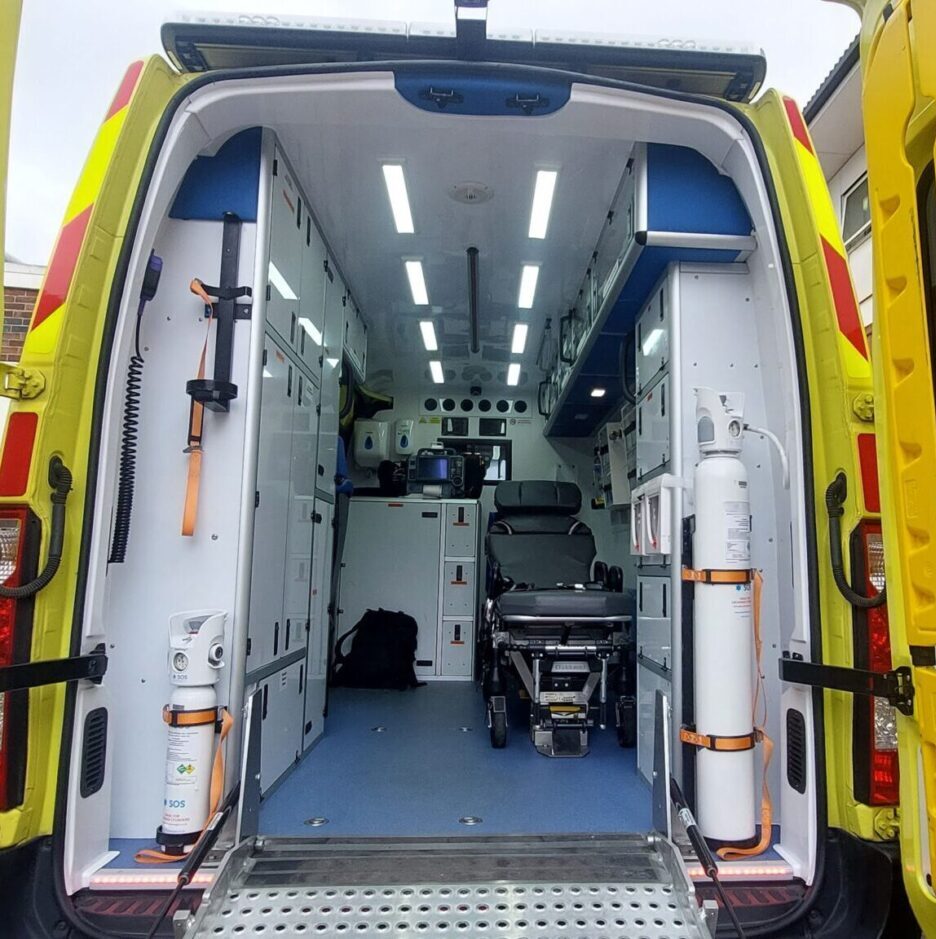
ALS Ambulance - Advanced Life Support (ALS)
An ALS ambulance (Advanced Life Support) is intended for patients who are medically unstable or at higher clinical risk and require care from a registered paramedic during transfer.
In the UK, an ALS ambulance is a high-dependency emergency vehicle capable of providing advanced pre-hospital care. It operates with emergency lights and sirens and is driven by a blue-light trained driver. ALS ambulances are used to transport sick patients between hospitals or to hospital, but they are not designed to move ventilated or intubated patients.
What an ALS ambulance includes
- Registered paramedic-led crew L6
- Cardiac monitor
- AED (defibrillator)
- Advanced airway management equipment
- IV access and emergency medications
- Oxygen and enhanced life-support equipment
- Emergency lights and sirens
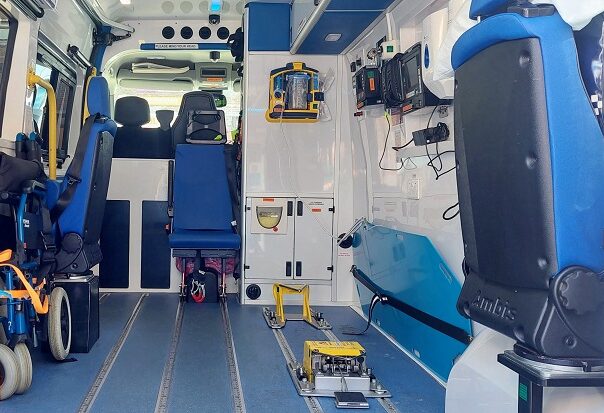
ICU Ambulance - Intensive Care Unit (ICU)
An ICU ambulance (Intensive Care Unit ambulance) is designed for the sickest and most complex patients who require continuous, hospital-level critical care during transport.
In the UK, ICU ambulances are staffed by specialist ICU doctors and critical care nurses and are configured as a mobile intensive care unit. These vehicles are used for patients who are ventilated, intubated, or require advanced organ support throughout the journey.
What an ICU ambulance includes
- ICU doctor and critical care nurse-led team
- Advanced cardiac and haemodynamic monitoring
- Mechanical ventilator
- Infusion pumps for continuous IV medications
- Advanced airway and sedation equipment
- Full oxygen and life-support systems
- Emergency lights and sirens
Quick Quotation Form
Feedback
What our clients say.
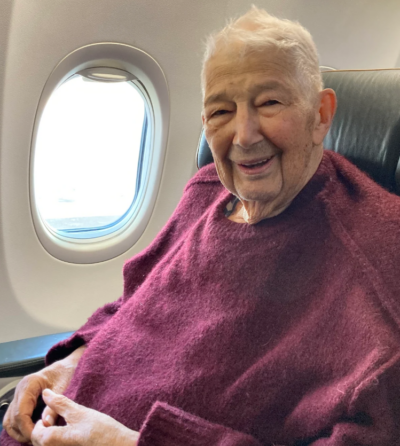
Commercial Medical Escort from Turkey to London
Communication and arranging the difficult journey back to the UK with SkyCare was easy. The team guided us through all the necessary steps to arrange the permissions and were professional and understanding of all the issues.
On the day Tasha and Sam met us and travelled the whole journey back. The ambulance arranged both ends was on time and comfortable…

Air Ambulance from London to Italy
The SkyCare team proposed two options for repatriation and helped me all along explore them, understand them, and plan accordingly. Due to the nature of our emergency, plans changed all the time, but the SkyCare team were able to adapt on the fly, and produce new plans.
All along the communication was rapid, clear, professional, and I felt that someone was really taking care of our emergency.
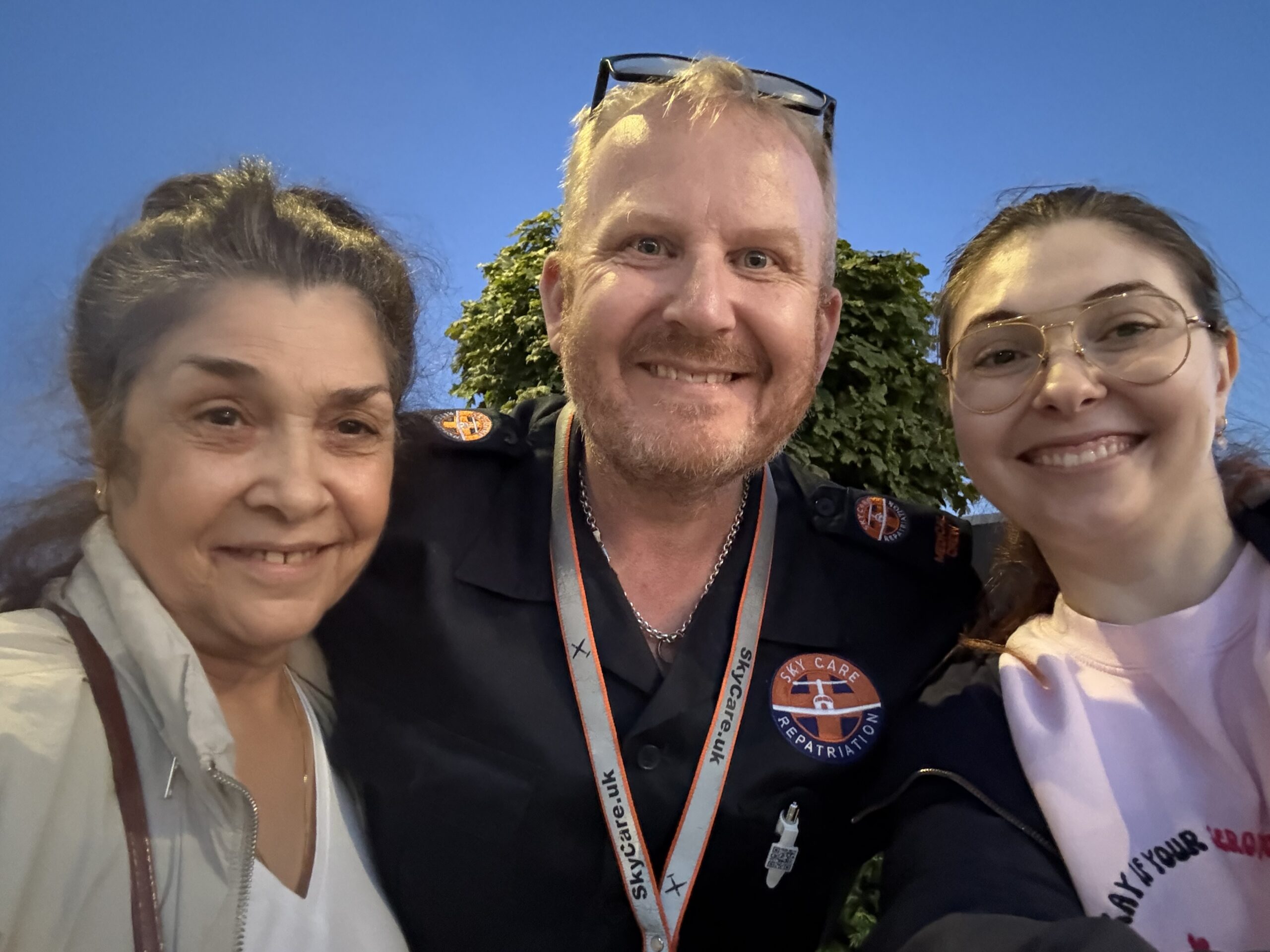
Commercial Medical Escort from London to Bulgaria
I couldn’t praise Craig and the team more! Craig was a literal life-saver and helped me so much during one of the toughest times in my life. He organised everything in less than 24 hours. If you ever need medical repatriation, SkyCare are the one and only choice you should be considering.

Commercial Medical Escort from Colombia to Essex
The team were a godsend they brought my son back from a nightmare fall on holiday in Columbia. He was with the team and I flew separately home the next day. I had no worries once I met them of him going on his own with them they were so friendly and professional. Thank you to all the team in Columbia and in England arranging it, I would highly recommend this team if you unfortunately ever needed this care.

Commercial Medical Escort from Colombia
Abbie and Connor brought me back from Columbia and they done an exceptional job with transferring me on the connecting flight. Multiple changes on wheelchairs and as pain free as possible. I’m very grateful to them for getting home. Thank you so much to Sky care for arranging all of this.

Ambulance from Austria to the UK
I needed to repatriate a relative from Austria at really short notice following an accident. The team at Skycare were absolutely wonderful – they assembled a crew at a days notice, kept me updated throughout the trip and were so professional and trustworthy. I would absolutely recommend them. They made a really stressful situation so much better – thank you to Craig, Ben, Emma Charlie and whole crew. So grateful to you!

Air Ambulance from France to Suffolk
Big shout out to the whole SkyCare team for my repatriation last week. I spent 2 weeks in hospital in France from a skiing accident and major surgery. The whole day ran very smoothly and I couldn’t have been looked after any better…
Following a very poor and frustrating experience with a medical insurance company who seemed focussed only on delaying matters we contacted SkyCare to organise medical repatriation for a family member we needed to get back to the UK. From start to finish we felt SkyCare offered the highest level of service obviously wanting the best medically for our relative but also professionally and speedily dealing with the necessary administration and formalities when coming from Iceland to the UK…
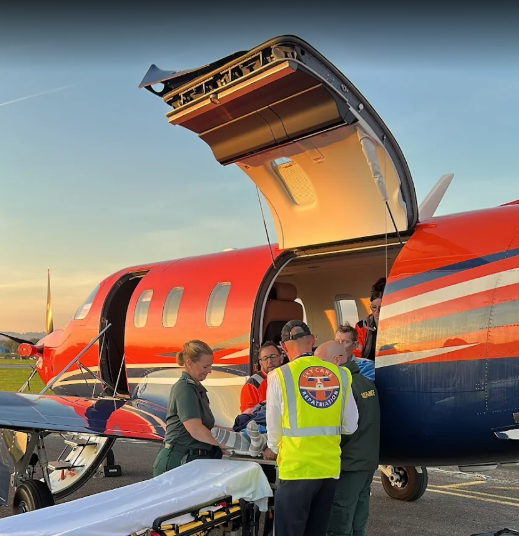
“The team at SkyCare could not have done more in supporting me getting my partner home. The transfer care was second to none and the support leading up to the transfer was excellent. David (complete with his broken leg) arrived back to a bed in an NHS hospital arranged by SkyCare. There really are not enough superlatives to describe the difference Craig, Ben, Ross etc all made. Thank you.”
“SkyCare have truly been lifesavers for us and our daughter who was taken ill overseas. They not only arranged the escorted flight home for our daughter but undertook all the hard graft of locating and liaising with the relevant UK hospital to get our daughter admitted directly on arrival in the UK. First Class Service!”
I’m so grateful to Craig and the team at SkyCare for guiding us through a difficult period. The team were always responsive and went above and beyond to assist our specific circumstances and challenges, to find a solution that was a safe and practical for us. They were personal and professional and treated us with sensitivity and compassion. I would 100% recommend them to everyone.
Commercial Medical Escort from Funchal to London
At a very desperate time, I was fortunate enough to find SkyCare and their wonderful team. My mother had a stroke overseas. The insurance team let us down badly so I looked at finding independent services to repatriate her back to the UK. SkyCare were able to provide a detailed and transparent price breakdown within 2 hrs . They provided a new quote within 30 min when we had to adjust an element of the repatriation. My insurance service would not provide a detailed quote…
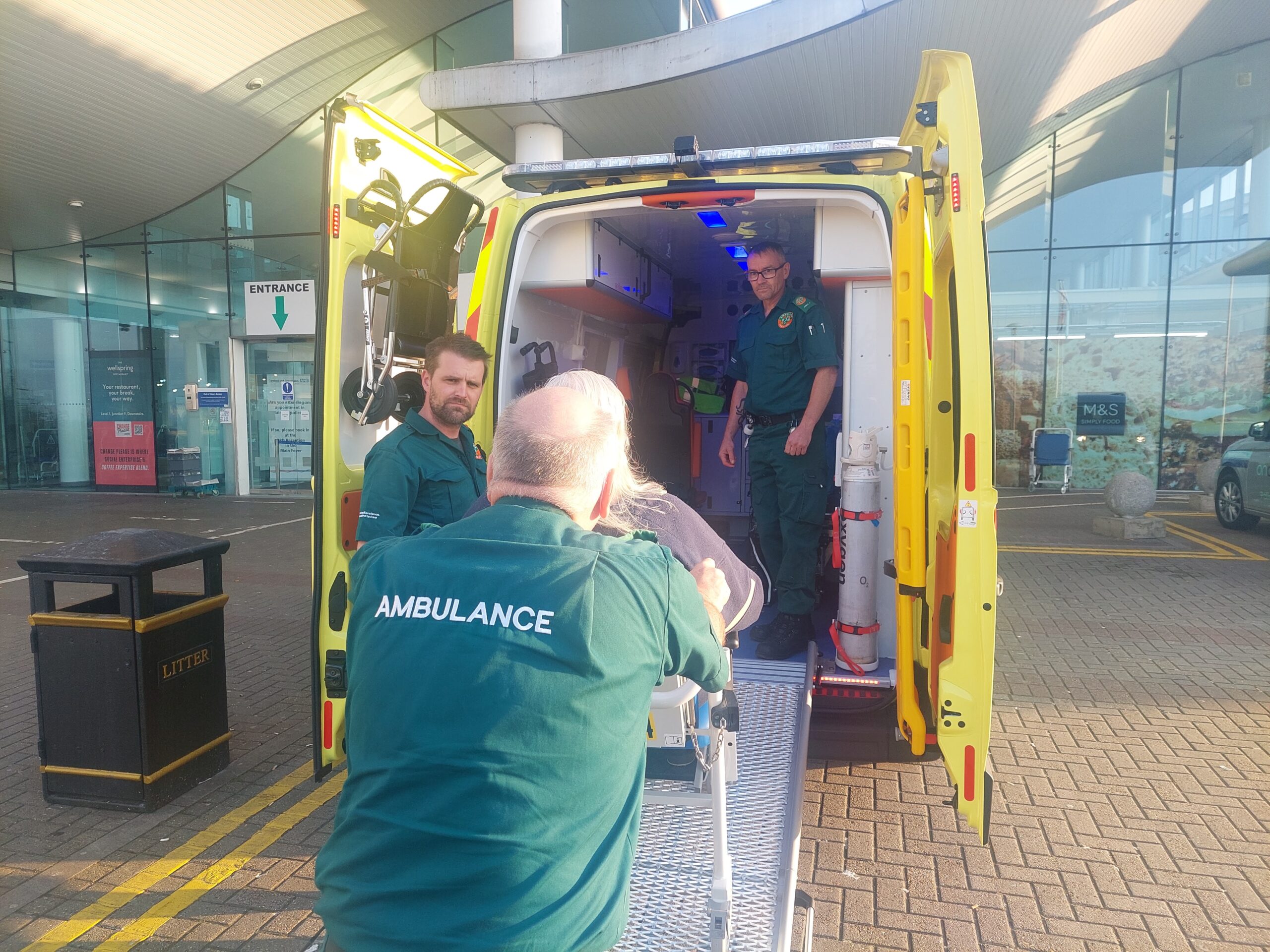
Road Ambulance from Worthing to London
A highly professional service, performed so efficiently at a moments notice, with kindness and even a little humour at such a difficult time for us. Highly recommend.
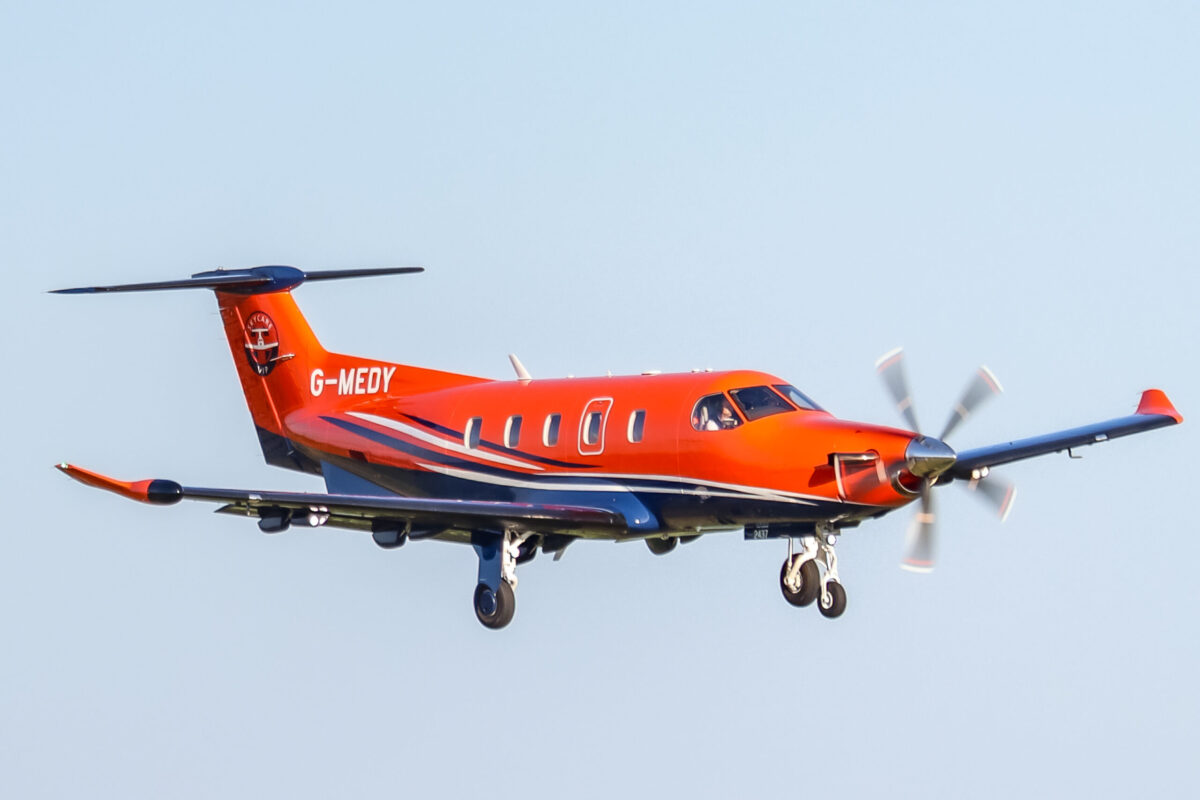
Craig and Ben were absolutely brilliant! The process was flawless and after the chaos of the incident that happened to my mum, Craig was fantastic in organizing everything so I didn’t need to worry! It went seamlessly and everyone was so kind! Best money spent to get my mum home for emergency surgery!! Hi Craig my name is Frank father of Louise (patient) & grandad of Liberty. Your company is exceptional, professional, with a wonderful caring attitude. Thank you so much for looking after my daughter. I recommend your company highly.
Superb service, from first contact to a positive result of repatriating my husband to a UK hospital, the support and care was fantastic. My husband Jim had a stroke at our house in Greece, after emergency treatment he was placed on a ward, which was awful. He had lost his speech and all movement on his right hand side. It is up to relatives to look after the patient in hospital, they only provide medical care. I was so stressed, trying to care for him…
Medical Repatriation Advice and Support
I recently spoke to Craig from SkyCare when my mum was seriously injured overseas and it looked like a medical repatriation was needed. His advice and communication was superb, helping me to navigate a market which appears to be full of brokers with misleading prices and shocking reviews. Fortunately, my mum was deemed stable enough to fly home commercially, and yet Craig still continued to provide advice even though…
Air Ambulance from Spain to London
SkyCare were beyond brilliant with us bringing my Dad back home to Wales by Air Ambulance after he suffered a major stroke in Tenerife. We were really impressed with the whole team’s professionalism and expertise from the first moment we contacted them to the day of the repatriation and even managing to reserve Dad a bed in the Stroke unit in Wrexham Hospital to avoid the delay and trauma of A&E after a very long day travelling…

Airport-to-Hospital Medical Transfer in London
Straightforward and genuine. Craig helped us get our mum safely from the airport to the hospital. Highly recommended.
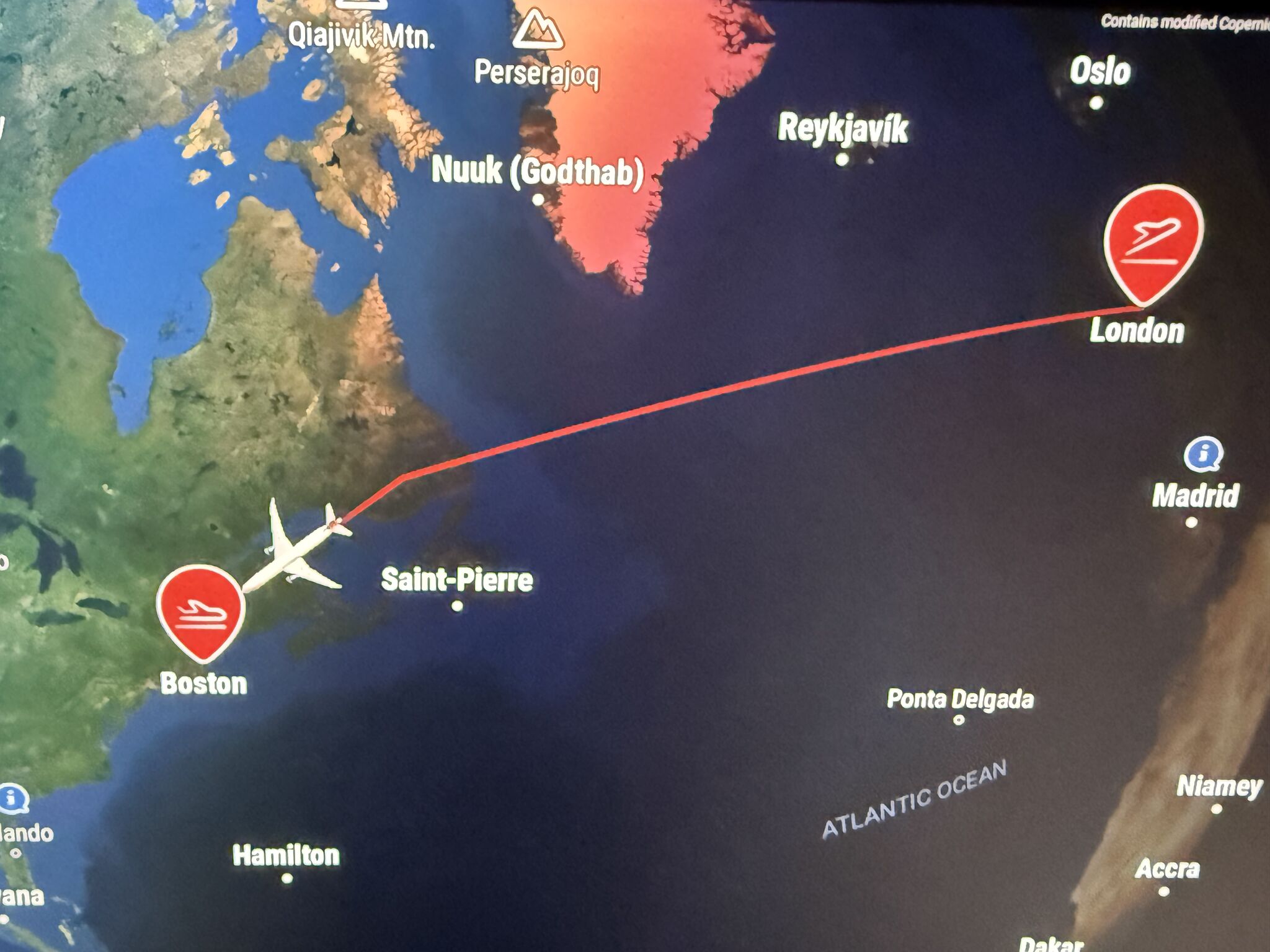
Commercial Medical Escort from Boston, MA to London
SkyCare made a complex overseas transfer from Boston to London feel effortless. Craig and Sarah were outstanding — calm, professional, and always in touch. They handled everything, from visas to flight logistics, with genuine care and attention. The costs were very reasonable, but it was their empathy and support for both patient and family that made all the difference. I can’t recommend them enough.
Vietnam to London — Medical Repatriation by SkyCare.
Fantastic professional company. We couldn’t have done this without them. My friend suffered a stroke and was paralysed on the right side. Due to a technicality, his insurance wouldn’t cover repatriation, so we had to go private. If anyone is ever in the same position, I wouldn’t hesitate to recommend SkyCare. They made a stressful situation feel manageable, and I’m so grateful for their calm, capable support throughout.

France to UK — Ski Injury Repatriation by SkyCare.
Fantastic service. I was repatriated from France after a skiing accident with multiple injuries. We contacted Craig at 4am and by 10pm I was home — ground ambulance, air ambulance, and ground ambulance again. Everything went smoothly with incredible medical care and kindness. After two miserable weeks in hospital, I finally felt safe and supported. I cannot thank SkyCare enough and wouldn’t hesitate to recommend them.
Vietnam to London — Stroke Repatriation by SkyCare.
Amazing team of people. My brother had a stroke in Vietnam and the insurance company were useless. SkyCare guided me through the process, sorted everything out, and got him safely home. The whole team were fantastic, but special thanks to the medical crew — Adam and Sarah — who flew out and did an incredible job. I can’t recommend SkyCare enough for their calm, professional help in such a difficult time.

UK to Malaysia — Long-Haul Medical Repatriation by SkyCare.
If you’re in the UK looking for a repatriation company, I couldn’t recommend SkyCare enough. They arranged medical transport for my dad from London to Kuala Lumpur — a 12-hour flight. From my first message, they responded quickly and handled all documents and approvals efficiently. Huge thanks to Craig for making everything smooth and to Nurse Nav for caring for my dad the whole way home.
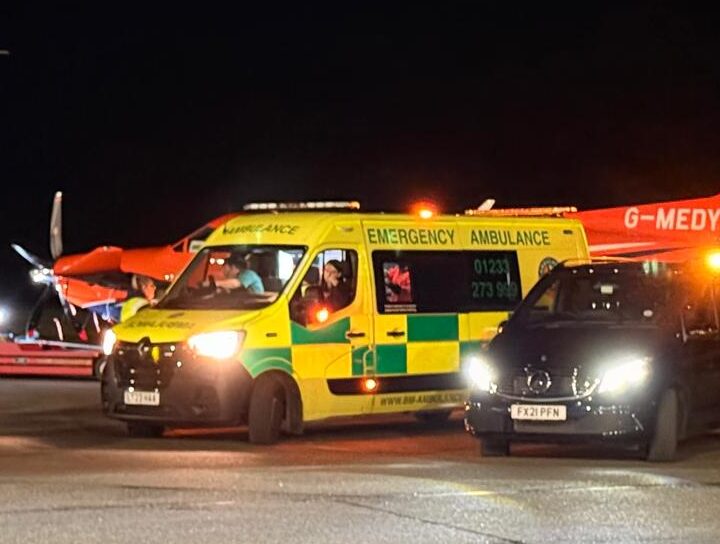
Spain to UK — Stroke Repatriation by SkyCare.
SkyCare were brilliant with us, helping to bring my dad home to England after he suffered a stroke in Spain. From the moment we reached out to the day of the repatriation itself, the entire team showed professionalism, compassion, and expertise. We felt fully supported and reassured throughout the process. Thank you to everyone involved — I wouldn’t hesitate to recommend SkyCare to anyone in a similar situation.
Las Palmas to UK — Air Ambulance Repatriation by SkyCare.
Thank you to Craig and Ben for organising our return home from Las Palmas. My dad was extremely anxious about the process, but everything ran so smoothly at every stage. Mum is now safe in Maidstone Hospital, and she’s just happy to be somewhere she can easily communicate. The whole experience was calm, compassionate, and professional — we really appreciate everything SkyCare did to make it seamless.
— Pete McNair (via email)
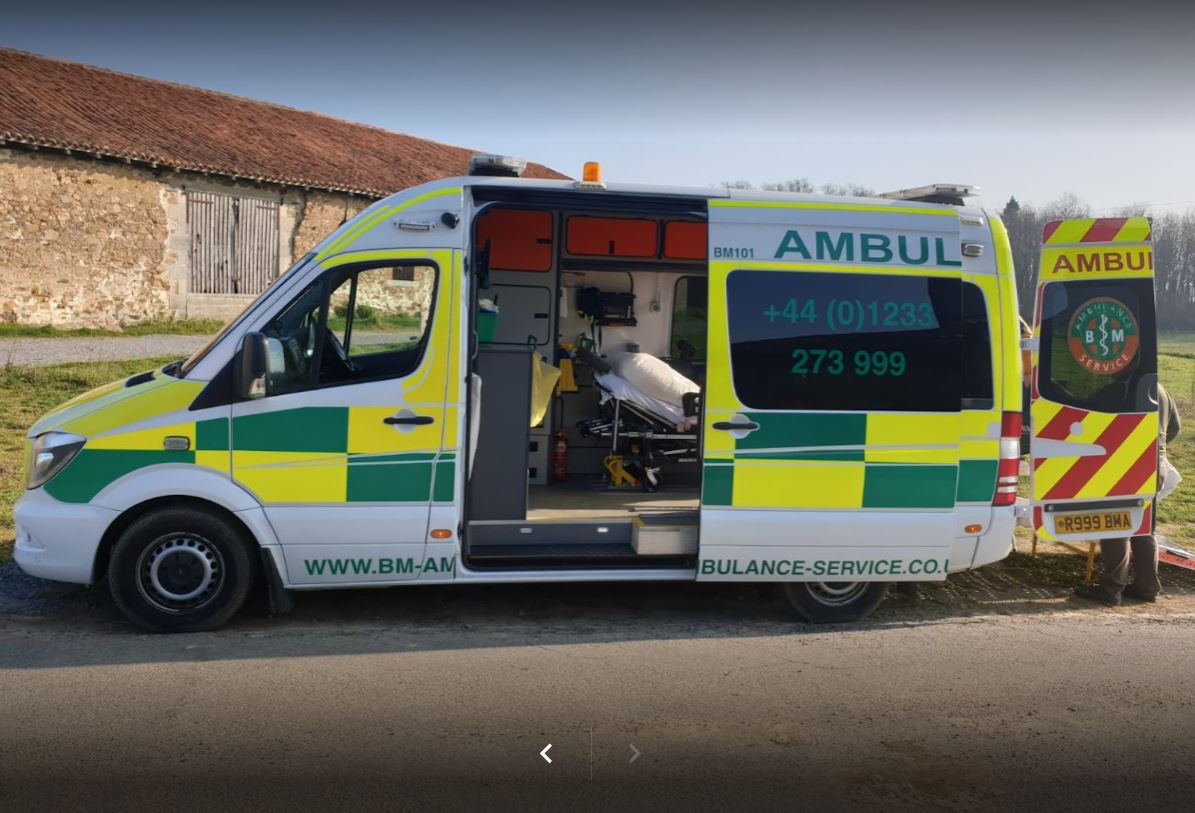
France to UK — COVID-Era Medical Repatriation by SkyCare.
From first contact to the final update confirming safe arrival, SkyCare’s care and coordination were second to none. They handled all COVID testing, documents, and border requirements with professionalism and warmth. Repatriating two elderly parents during a pandemic was daunting, but they made the process seamless — even providing journey tracking door to door. Their genuine care and clear communication reassured us at every stage. I highly recommend SkyCare for compassionate international patient transfers.
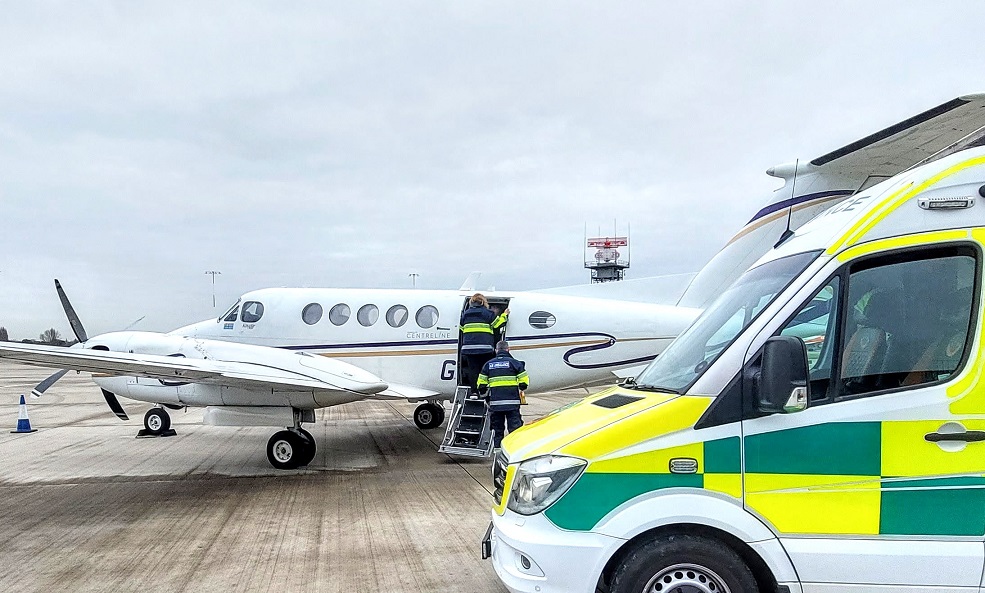
Cannot thank the team at BM Ambulance enough for getting my Dad home from Spain. Craig/Sarah/James/Emma & Danny were all absolutely amazing. It was a huge 24 hour journey and they made Mum & Dad feel comfortable and safe the entire way. I don’t think my Dad would have made it without your help. He’s still not in the best of health but at least we have him home. We definitely could not have done this without you. Thank you all involved. Amazing people offering a fantastic service. x

I would have given more than 5 stars if I could have. A big thank you to Craig, Sarah and John for the safe delivery of our much loved mum, mother in law, Nan and great grandmother from Spain after suffering a stroke.
Accreditations


AOC (Oriens Flight Operations) #2480

British Business & General Aviation Association