
 SkyCare
  Travel Advice
Mosquito Bites Abroad: Risks, Prevention and Travel Advice
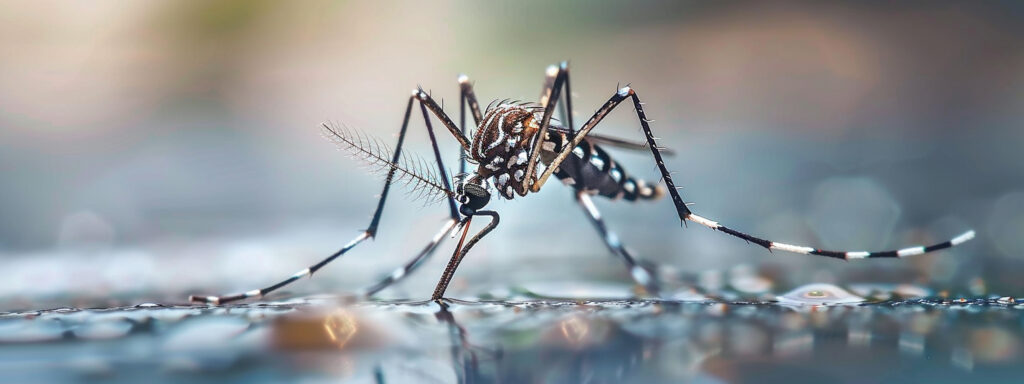
Mosquito bites are often dismissed as a minor inconvenience, but for travellers abroad they can pose a far more serious risk. In many parts of the world, particularly in tropical and developing regions, mosquitoes are responsible for spreading potentially dangerous diseases that are rarely encountered in the UK.
For backpackers, gap year travellers, and those visiting remote or rural areas, the risk increases significantly. Understanding how to prevent bites, what protection to use, and when a bite may indicate something more serious is an essential part of travelling safely.
Why Mosquito Bites Are a Serious Risk Abroad
Unlike in the UK, mosquitoes in many countries can carry infections that are transmitted through a single bite. These include illnesses such as malaria, dengue fever, Zika virus and yellow fever.
While some cases may present with mild symptoms, others can develop into serious or even life-threatening conditions if not identified and treated quickly. In popular travel destinations across South-East Asia, South America and parts of Africa, these risks are well documented and should not be overlooked.
Where Mosquito Risks Are Highest
Mosquito-borne diseases are most common in warmer climates where conditions allow insects to breed year-round. Travellers heading to regions such as Sub-Saharan Africa, South-East Asia, Central and South America, and parts of South Asia are more likely to encounter higher mosquito activity and associated health risks.
Even within these regions, risk levels can vary depending on whether you are staying in urban areas, rural locations, or travelling during rainy seasons when mosquito populations increase.
Before travelling, it is always advisable to review GOV.UK Foreign Travel Advice and consult a travel health clinic if visiting higher-risk destinations.
Do You Need Vaccinations Before You Travel?
Some mosquito-borne illnesses, such as yellow fever, can be prevented through vaccination. In certain countries, proof of vaccination may even be required for entry.
Other diseases, such as malaria, do not currently have a widely used vaccine for travellers and instead require preventative medication. The specific requirements will depend on your destination, duration of travel, and planned activities.
Seeking advice from a travel health professional before departure ensures you are properly protected.
What Is DEET and Why Is It Recommended?
DEET is one of the most widely used and effective ingredients in insect repellents. It works by interfering with a mosquito’s ability to detect human scent, making it significantly less likely that you will be bitten.
For travellers visiting high-risk regions, repellents containing DEET are generally recommended due to their proven effectiveness and longer-lasting protection compared to many alternatives.
How Much DEET Should You Use?
The concentration of DEET in a product determines how long it remains effective rather than how strong it is. Lower concentrations, such as 20–30%, may be suitable for short-term use in moderate-risk areas, while higher concentrations of 30–50% are typically recommended for travel in regions where mosquito-borne diseases are more prevalent.
It is important to apply repellent correctly and reapply as directed, particularly in hot or humid environments where it may wear off more quickly.
Why Do Some Products Advertise “DEET-Free”?
You may notice that many insect repellents are marketed as “DEET-free”, often promoting themselves as more natural or skin-friendly alternatives. This can make it seem as though avoiding DEET is the safer option — but this is not always the case.
DEET has been used for decades and is considered safe when applied correctly. The main difference is not safety, but effectiveness and duration of protection.
DEET-free products often use alternative ingredients such as picaridin or plant-based oils. Some of these, particularly picaridin, can be effective, but others may offer shorter protection times and require more frequent reapplication.
For travellers visiting higher-risk regions, particularly in tropical climates where mosquito-borne diseases are common, longer-lasting protection is essential. In these situations, repellents containing 30–50% DEET are typically recommended.
DEET-free products may be suitable for lower-risk destinations or shorter periods outdoors, but travellers should ensure that whatever product they choose provides reliable protection based on their destination and level of exposure.
Do Repellents Protect Against Other Insects?
Yes — most insect repellents also protect against Midges, Ticks and Flies. This is particularly important in rural or tropical environments.
Why Do Mosquitoes Bite Some People More Than Others?
Some people are more attractive to mosquitoes due to factors such as body heat, carbon dioxide output, skin bacteria and blood type. This is why some travellers experience far more bites than others.
What To Do If You Get Bitten
Most mosquito bites are harmless and can be treated with Anti-itch creams, Antihistamines and Cold compresses.
Avoid scratching where possible, as this can lead to infection — although anyone who has had a mosquito bite will know this is often easier said than done.
When To Seek Medical Help
Seek medical attention if you experience:
- Fever after travelling
- Severe swelling or allergic reaction
- Difficulty breathing
- Symptoms such as chills, headaches, or muscle pain
These may indicate a more serious infection.
Medical Emergencies Abroad
In some cases, mosquito-borne illnesses can become severe and require hospital treatment. In regions with limited healthcare facilities, accessing appropriate care can be difficult.
In serious situations, medical repatriation may be required to return safely to the UK for treatment.
How SkyCare Can Help
SkyCare provides emergency medical repatriation for travellers who become seriously ill abroad.
We arrange air ambulance transfers and medical escorts, ensuring patients receive appropriate care throughout their journey home.
If you need urgent assistance, contact SkyCare immediately.
Final Advice
Preventing mosquito bites is one of the simplest but most important steps you can take to protect your health while travelling.
Use appropriate repellent, wear protective clothing, and stay informed about risks in your destination.
Preparation can make the difference between a minor inconvenience and a serious medical emergency.
