ICU Air Ambulance & Intensive Care Patient Transport
Consultant-led critical-care transfers with advanced ICU equipment for ventilated and clinically complex patients.
ICU Patient Transport When Hospital-Level Critical Care Must Continue
Moving a critically ill patient between hospitals or countries is not simply a transport problem. It is a continuation of intensive care in a different environment. SkyCare provides ICU air ambulance and intensive care patient transport for adults, children and neonates who require advanced monitoring, ventilation, continuous infusions or specialist critical-care oversight throughout the journey.
Our approach is built around three things: the right critical-care clinicians, the right equipment and a transfer plan designed around the individual patient. This includes consultant-level ICU input for complex cases, specialist medical crews and equipment selected to mirror the support the patient is receiving in hospital as closely as the transport environment allows.
SkyCare coordinates the complete bed-to-bed medical transport pathway, including liaison with the sending ICU, receiving hospital, ground ambulances, air ambulance arrangements and clinical handover.
Consultant-Led Critical Care Planning
For a ventilated or unstable patient, the quality of the transfer starts before anyone reaches the aircraft. SkyCare’s critical-care service is supported by experienced intensive care clinicians, including Peter, one of London’s lead ICU consultants. Complex transfers can be reviewed with consultant-level critical-care input so that the team, equipment, ventilation strategy, medication requirements and likely risks are considered before mobilisation.
The medical crew is matched to the patient’s actual condition rather than allocated from a standard package. Depending on the case, this may include an intensive care or anaesthetic doctor alongside an ICU nurse, retrieval-trained paramedic, paediatric critical-care clinician or neonatal specialist.
For families, hospitals and case managers, this means the question is not simply “Can the patient fly?” but “What level of intensive care must continue throughout the transfer, and how do we reproduce that safely?”
The ICU Equipment We Carry
An ICU air ambulance should be able to do more than monitor a patient and provide oxygen. Critically ill patients may require controlled ventilation, multiple simultaneous drug infusions, invasive monitoring, rapid airway intervention and point-of-care testing during a complex transfer.
Our critical-care equipment inventory includes the following key systems.
HAMILTON-T1 Transport Ventilator
We use the HAMILTON-T1 transport ventilator for adult, paediatric and neonatal critical-care patients. It supports invasive and non-invasive ventilation and is designed specifically for transport and retrieval environments.
For a ventilated patient, transport planning includes current ventilator settings, oxygen requirements, airway security, sedation, blood gas results and the likelihood that settings may need to change during the journey. The ventilator is only one part of the system; the clinicians operating it and the ability to assess the patient’s response are equally important.
HAMILTON-H900 Advanced Humidification
SkyCare also maintains the HAMILTON-H900 humidification system within our critical-care equipment inventory. Active humidification can be valuable for selected adult, paediatric and neonatal patients, particularly where respiratory support is prolonged.
Use of humidification equipment is determined by the clinical team and the phase of the transfer, and always follows the manufacturer’s approved operating conditions. This allows us to plan respiratory support around the patient rather than relying on a one-size-fits-all ventilator setup.
Siemens Healthineers epoc Blood Analysis System
Our critical-care equipment includes the epoc® Blood Analysis System from Siemens Healthineers. This handheld point-of-care analyser can provide blood gas, electrolyte and metabolite results at the patient’s side in less than a minute from sample application.
For selected critically ill and ventilated patients, access to current blood-gas information can support clinical decision-making during a transfer rather than relying solely on laboratory results obtained hours earlier. It is particularly relevant when ventilation, oxygenation, perfusion or acid-base balance are key concerns.
GlideScope Go 2 Monitor Video Laryngoscopy
Our advanced airway equipment includes the GlideScope Go 2 Monitor video laryngoscopy system. Video laryngoscopy provides the critical-care team with an additional airway-management option for patients where intubation, tube position or a difficult airway may become a concern.
Airway equipment is carried alongside suction, emergency airway devices, oxygen systems and resuscitation equipment so that the team is prepared for deterioration rather than assuming the patient’s airway will remain unchanged simply because the journey has started.
Eight B. Braun Spaceplus Infusion Devices
Complex ICU patients often depend on several medications running simultaneously. Our critical-care setup includes four B. Braun Spaceplus Perfusor® syringe pumps and four B. Braun Spaceplus Infusomat® volumetric infusion pumps.
The B. Braun Spaceplus infusion platform allows the team to support multiple continuous infusions where clinically required, such as sedation, analgesia, vasoactive medication, antibiotics, fluids or other prescribed therapies.
For a patient receiving several infusions in ICU, this matters. The transfer plan must account for what is running now, what cannot be interrupted, how much medication is required for the full journey and what contingency drugs or fluids should be available if the patient’s condition changes.
Monitoring, Resuscitation and Additional Critical-Care Equipment
The headline equipment is only part of the ICU transport setup. Depending on the patient’s needs, our teams also deploy multi-parameter monitoring, ECG, oxygen saturation, non-invasive and invasive blood-pressure monitoring, capnography, temperature monitoring, defibrillation, suction, oxygen supplies, emergency drugs, airway equipment and specialist patient-handling equipment.
For neonatal and paediatric transfers, the equipment and consumables are configured around the child’s size and physiology. SkyCare also provides specialist neonatal air ambulance and paediatric medical flight services where a dedicated neonatal or paediatric retrieval approach is required.
Who Needs ICU Transport?
ICU patient transport is used when the patient cannot safely travel with a standard medical escort or conventional patient transport team. The defining issue is not the diagnosis alone; it is the level of support and intervention that may be required during the journey.
- Mechanically ventilated patients requiring invasive ventilation, sedation or ongoing respiratory support.
- Sepsis and multi-organ dysfunction where haemodynamic monitoring, fluids or vasoactive medication may be required.
- Neurological and neurosurgical patients following stroke, brain injury, haemorrhage or major neurosurgery.
- Cardiac patients following myocardial infarction, cardiac surgery, resuscitation or significant circulatory compromise.
- Major trauma and polytrauma requiring controlled analgesia, immobilisation, invasive monitoring or specialist handling.
- Post-operative critical-care patients who remain dependent on ICU-level treatment after complex surgery.
- Paediatric and neonatal ICU patients requiring age-specific critical-care expertise and equipment.
Patients who have suffered neurological injury may also need careful assessment of altitude, oxygenation and timing before air transport. Our guide on flying after a brain bleed explains some of the considerations families may encounter.
Why ICU Transfers Need Receiving-Hospital Acceptance
An intensive care transfer is different from most other forms of medical repatriation. Before a critically ill patient leaves the sending hospital, the receiving hospital must have accepted the transfer and confirmed that an appropriate ICU or critical-care bed is available.
This protects the patient. Our critical-care team needs sufficient medical information to discuss the case with the receiving consultant, understand the current ventilation, medication, investigations and treatment plan, and confirm that the destination can safely continue the level of care the patient requires.
For families, this means we do not simply launch an aircraft and hope everything falls into place afterwards. We complete the clinical planning first, confirm the receiving pathway and then mobilise the transfer as soon as it is safe to do so.
Obtaining current medical records and receiving-hospital acceptance can sometimes be the longest part of arranging ICU patient transport. Our team actively liaises with both hospitals to move this process forward, but the final decision to accept an ICU patient rests with the receiving clinical team.
Once acceptance, the bed and the clinical information are in place, SkyCare can finalise the medical crew, equipment and transport plan with much greater certainty — reducing the risk of a patient being moved before the destination is ready to receive them.
From Sending ICU to Receiving ICU
For an intensive care transfer, continuity between hospitals is as important as the flight itself. Before mobilisation we may require recent clinical notes, ventilator settings, blood results, medication and infusion details, current observations, imaging summaries, infection status and confirmation of the receiving bed.
Our team liaises directly with the treating clinicians so that the transfer crew understands what has happened, what treatment is continuing and what deterioration risks have already been identified. At the destination, a structured clinical handover is provided to the receiving team.
If you are arranging a repatriation from overseas and are unsure what documents are needed, our article What Your Hospital Medical Report Means for Getting Home Safely explains why current clinical information is so important.
ICU Air Ambulance for International Repatriation
SkyCare arranges critical-care air ambulance transfers to and from the UK and internationally. The aircraft is selected around the patient, route, range and clinical requirements, while SkyCare provides the medical staffing and clinical coordination for the mission.
Ground ambulance collection and onward transfer are incorporated into the same plan so that ICU-level support does not begin at the airport and end when the aircraft lands. The aim is a continuous bedside-to-bedside pathway with the appropriate clinicians, equipment and monitoring available throughout each stage.
Families who want a broader explanation of the air ambulance environment can read What Is an Air Ambulance?.
Why ICU Equipment and Staffing Matter
Two providers may both describe a service as an “ICU air ambulance”, yet the clinical capability can be very different. The meaningful questions are what equipment is actually available, who is caring for the patient, whether the team can continue multiple infusions and ventilation, and what options exist if the patient deteriorates.
SkyCare’s strength is the combination of specialist critical-care staff and a deliberately equipped ICU transport platform. A transport ventilator, blood-gas analyser, video laryngoscope and eight infusion devices are not there for marketing decoration; they allow the medical team to plan for the type of active critical-care management that complex patients may require.
Request an ICU Patient Transport Assessment
If a patient is ventilated, receiving vasoactive medication, dependent on multiple infusions or currently being treated in ICU, contact SkyCare with the patient’s location, destination and latest medical information. Our clinical team can review the case and determine the staff, equipment and transport method required.
Request an ICU air ambulance quote or contact our team to discuss a critical-care transfer.
ICU Patient Transport: Key Questions Answered
Our critical-care equipment is selected around the individual patient and the level of treatment that must continue during the transfer.
Key equipment within our ICU transport inventory includes the HAMILTON-T1 transport ventilator for adult, paediatric and neonatal patients, the Siemens Healthineers epoc® Blood Analysis System for rapid point-of-care blood gas, electrolyte and metabolite testing, and the GlideScope Go 2 Monitor video laryngoscopy system for advanced airway management.
For medication and fluid delivery, we carry four B. Braun Spaceplus Perfusor® syringe pumps and four B. Braun Spaceplus Infusomat® volumetric infusion pumps, giving the team substantial multi-infusion capability for complex patients.
We also maintain the HAMILTON-H900 advanced humidification system within our critical-care equipment inventory. Its use is selected by the clinical team according to the patient, the phase of transfer and the manufacturer’s approved operating conditions.
Additional equipment can include multi-parameter monitoring, invasive and non-invasive blood-pressure monitoring, capnography, defibrillation, suction, oxygen systems, emergency drugs, airway kits, neonatal or paediatric equipment and specialist patient-handling devices.
ICU patient transport is intended for patients whose medical needs cannot safely be met by a standard medical escort or conventional patient transport service. This may include mechanically ventilated patients, patients receiving vasoactive medication or multiple continuous infusions, major trauma, sepsis, neurological or neurosurgical cases, cardiac patients, complex post-operative transfers and critically ill children or neonates.
The diagnosis alone does not determine the transport plan. We assess the patient’s current stability, airway and ventilation, medication requirements, monitoring, recent deterioration and the interventions that may be required if their condition changes during transfer.
The medical team is matched to the patient’s condition rather than allocated from a standard package. SkyCare’s critical-care service is supported by experienced intensive care clinicians, including Peter, one of London’s lead ICU consultants, with consultant-level input available for complex transfer planning.
Depending on the case, the mission may use an intensive care or anaesthetic doctor with an ICU nurse or retrieval-trained paramedic. Paediatric and neonatal cases are staffed with clinicians whose skills match the child’s age, physiology and treatment requirements.
Before mobilisation, the team reviews the sending hospital information, current ventilation, infusions, monitoring and likely risks so that staffing and equipment are selected around the patient.
Urgent ICU transport can often be mobilised quickly, but the safe timescale depends on the patient’s condition, current medical information, receiving ICU acceptance, route, aircraft availability, ground ambulance logistics and any required international permissions.
For ICU patients, the receiving hospital must accept the transfer and confirm an appropriate critical-care bed before the patient is moved. This is an important clinical safeguard: it ensures the destination team has reviewed the case and is ready to continue the patient’s treatment immediately on arrival.
For a critically ill or ventilated patient, we normally need up-to-date clinical notes, ventilator settings, blood results, medication and infusion details, current observations and confirmation of the receiving bed. Where appropriate, our team arranges direct clinician-to-clinician handover before departure.
Once the clinical and operational plan is confirmed, we provide the earliest safe mobilisation time rather than promising a fixed dispatch window before the case has been assessed.
A responsible ICU transfer provider should never promise a receiving ICU bed before the hospital itself has formally accepted the patient.
Consultant-led critical care transport
Request an ICU Patient Transport Assessment
If a patient is ventilated, receiving vasoactive medication, dependent on multiple infusions or currently being treated in ICU, send us the patient’s location, destination and latest medical information.
Our clinical team can review the case and determine the appropriate critical-care staff, equipment and transport plan for a safe bedside-to-bedside transfer.
Request an ICU Air Ambulance QuoteSkyCare coordinates ICU air ambulance and intensive care patient transport to and from the UK and internationally.
International ICU Air Ambulance & Critical Care Transport











Feedback
What our clients say.

Air Ambulance from Portugal to Kent
SkyCare were amazing with the repatriation of my elderly mother-in-law when she became ill on a river cruise boat. They were professional every step of the way during this complicated but urgent repatriation journey.
The staff took great care of my mother-in-law, making sure she was comfortable throughout the long journey back and arranged a hospital bed for her in the UK. They gave us updates throughout the day, so we were…
Air Ambulance from Palma to England
SkyCare have been amazing. Within 48hrs of contacting them we had an agreed flight schedule and handover arranged between Palma and England. I arranged privately so I didn’t have the help or aid of an insurance company to be the middle man and I was very stressed and out of my depth. SkyCare really supported me and calmed any worries or anxiety I had about a very unknown risky arrangement…
Commercial Medical Flight from Faro to Scotland
Given the very difficult circumstances, the service we received from your doctor was utterly outstanding. From the first meet we felt safe and comfortable and throughout the whole service of getting us home we were very grateful to have such a knowledgeable person by our side. The doctor was extremely friendly and I would recommend sky care in any medical emergency. I can’t honestly praise the service high enough. Thank you so so much.

Commercial Medical Flight from Serbia to Birmingham
My 69-year-old mum unfortunately suffered a stroke while we were flying home from Turkey, which resulted in an emergency landing in Serbia. It was one of the most frightening and stressful experiences our family has ever been through. We didn’t have travel insurance that could help, so I spent hours contacting different medical repatriation companies and comparing quotes. SkyCare wasn’t the cheapest option, but after speaking to them, I had a feeling they genuinely cared about getting my mum home safely rather than just treating us like another customer. I’m so glad I trusted my instincts…

Air Ambulance from Spain to London
I cannot thank Skycare UK enough for the exceptional service they provided when organising the medical repatriation of my father-in-law from Salamanca, Spain, following a stroke.
From the very beginning, the team took the time to understand our situation and our needs during what was an incredibly difficult and emotional time for the whole family. Cameron and Ben were outstanding throughout the process, always available by phone or WhatsApp to answer questions quickly and ….

Commercial Medical Flight from Turkey to London
I can’t recommend SkyCare Repatriation highly enough. I called, Cameron answered. And he didn’t stop answering. He was there when we needed him. When we didn’t have the capacity to take on anything else, he took EVERYTHING to do with the repatriation on his shoulders. As soon as we signed on the dotted line everything was dealt with by SkyCare including organising a bed in the NHS hospital nearest our home and where the consultant who would be operating on my mother was based. And the team who brought my mother home were so caring…
Commercial Medical Flight from Alicante to London
SkyCare were amazing from initial enquiry to finish. No question was too big or too small (and I had lots!). We can’t thank Sarah enough for accompanying us on the commercial flight, and the office team for helping us bring our elderly mum with dementia and mobility issues safely home from Spain to the UK.
All aspects of the travel were handled for us, including the booking process, check-in, airport assistance, and transfers, which removed so much stress at a very difficult time….
Commercial Medical Escort Flight from Jamaica
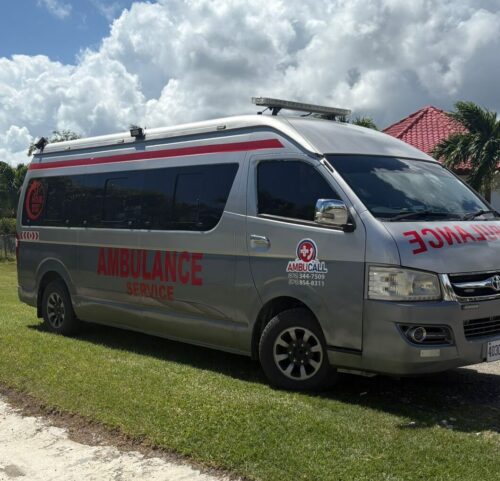
Incredible – When my Mum had a serious seizure in Jamaica, my NHS Dr Consultant friend said “Repatriate. Get her back here to the UK, directly to us, the NHS.” I went online in the middle of the night and found CQC approved Skycare. They are an expert “A Team” of clinical professionals brought together to provide a 365, 24/7 service to repatriate poorly patients.
I chose SkyCare’s bed to bed commercial flight service to repatriate my Mum from Kingston Jamaica to the UK…

Air Ambulance Germany to England
Skycare provided an exceptional standard of service throughout the entire repatriation process. From the outset, their team demonstrated remarkable patience and understanding, particularly when plans and travel dates needed to change multiple times. Nothing ever felt like too much trouble, and they handled every adjustment professionally and efficiently.
They took the time to clearly explain each stage of the process, ensuring we fully understood what to expect and what arrangements were being made….

Air Ambulance from Paris to England
The team were amazing from start to finish. From the first phone call the team handled everything. They communicated with us quickly and efficiently and were on hand with any questions we had in our time of distress. When the team arrived at the hospital they took control of the situation and guided us through what was happening and were very impressive and immediately reassured us and showed great care for our son. The logistics were handled perfectly with a clear itinerary from when they would arrive, depart the hospital and arrive at airport and then arrive at the hospital in England…
Air Ambulance from Nice to Scotland
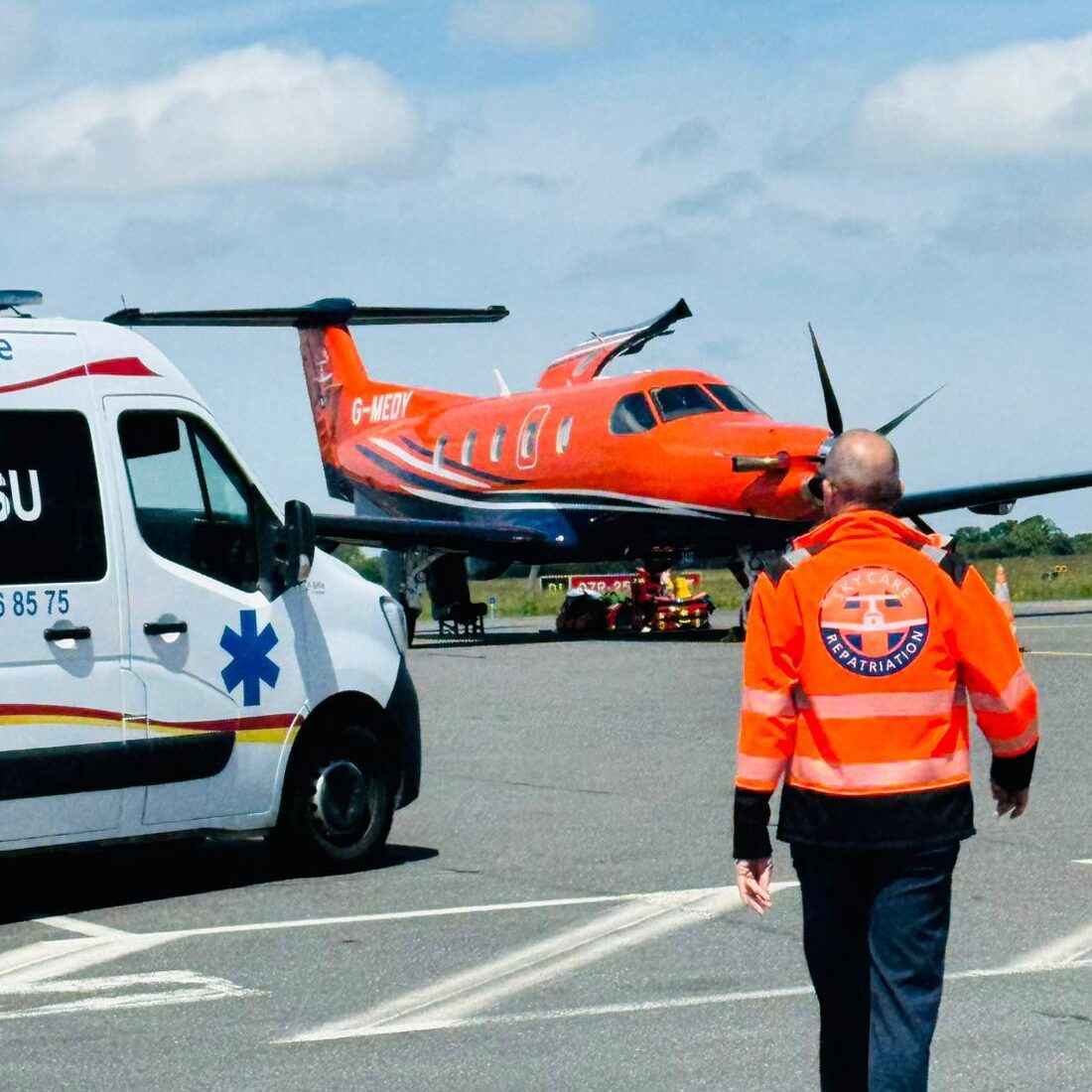
We cannot thank Ben, Craig and the team at SkyCare enough for bringing Christina home safely from Nice. From the moment we first made contact, the level of professionalism and care was outstanding. Dealing with a medical emergency abroad is incredibly daunting, but SkyCare took over all the logistics, allowing us to focus on Christina’s well-being.The medical crew (Peter and Laura) and pilots were exceptional, highly skilled, calm, and deeply compassionate throughout the entire transfer…
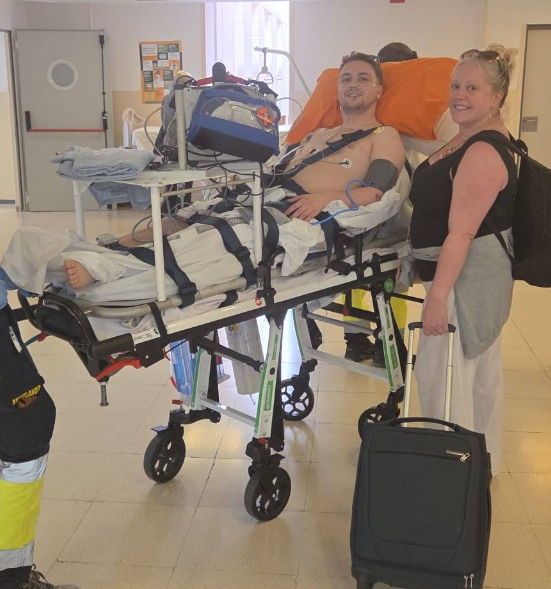
Air Ambulance from Alicante to London
I honestly cannot put into words how grateful I am to Skycare Repatriation for what they did for me during the worst week of my life.After being seriously injured abroad and feeling completely alone and vulnerable, they stepped in and quite literally changed everything. From the moment they got involved, I felt safe, supported, and genuinely cared for.What stood out to me the most were the two highly skilled medics who were with me every step of the journey…

Air Ambulance from Marbella to Poole
“This case involved a medical repatriation from Marbella to the UK, requiring rapid coordination between local healthcare providers and UK hospital services.”
Amazing service, kind & professional – due to system we had to go to A&E in Poole they managed to secure a bed in a private room in NHS all the staff from pilot to medic to driver 5 star gold standard

Air Ambulance from Peru to Peru
Brilliant team that organised medical flight transfer of a family member in Peru – difficult area to deal with and they sorted it out extremely quickly and had amazing communication throughout the whole experience – thanks very much!
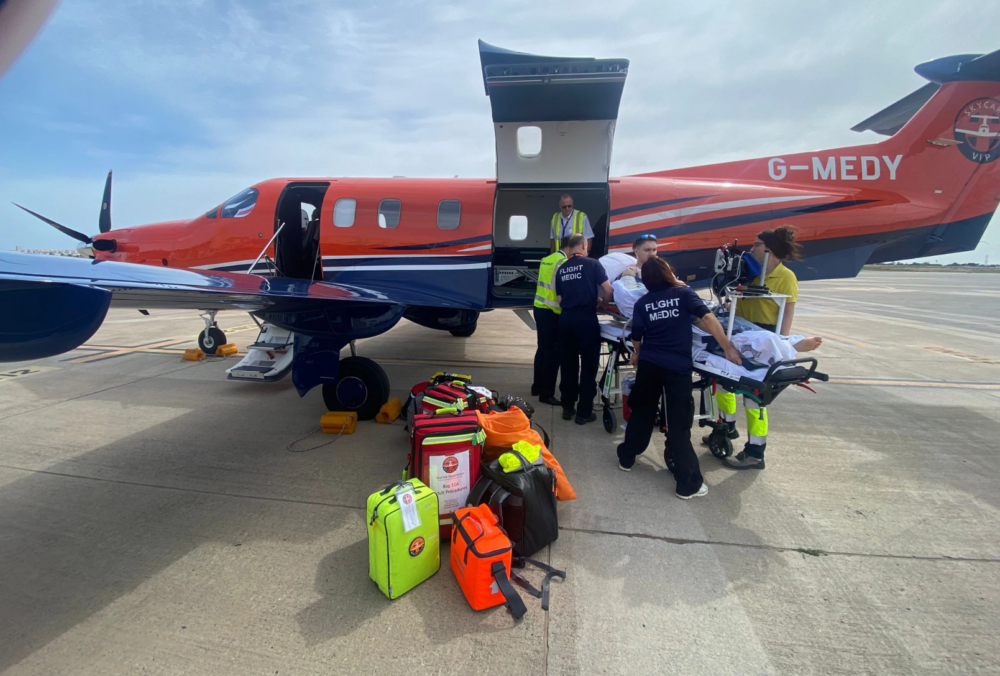
Air Ambulance from Benidorm to London
Craig and his team of medics were absolutely amazing in our time of desperation. They were on hand from the moment I contacted them with our incident, taking all the stress and pressure of being in Spain away and helping us to navigate this awful, scary and frightening situation with his calm and supportive manner. From the moment the team landed in Spain, they took control, my nephew was air lifted back to the UK with such precision and kindness…
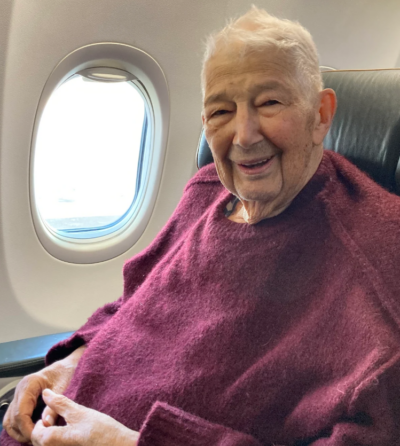
Commercial Medical Escort from Turkey to London
Communication and arranging the difficult journey back to the UK with SkyCare was easy. The team guided us through all the necessary steps to arrange the permissions and were professional and understanding of all the issues.
On the day Tasha and Sam met us and travelled the whole journey back. The ambulance arranged both ends was on time and comfortable…

Air Ambulance from London to Italy
The SkyCare team proposed two options for repatriation and helped me all along explore them, understand them, and plan accordingly. Due to the nature of our emergency, plans changed all the time, but the SkyCare team were able to adapt on the fly, and produce new plans.
All along the communication was rapid, clear, professional, and I felt that someone was really taking care of our emergency.
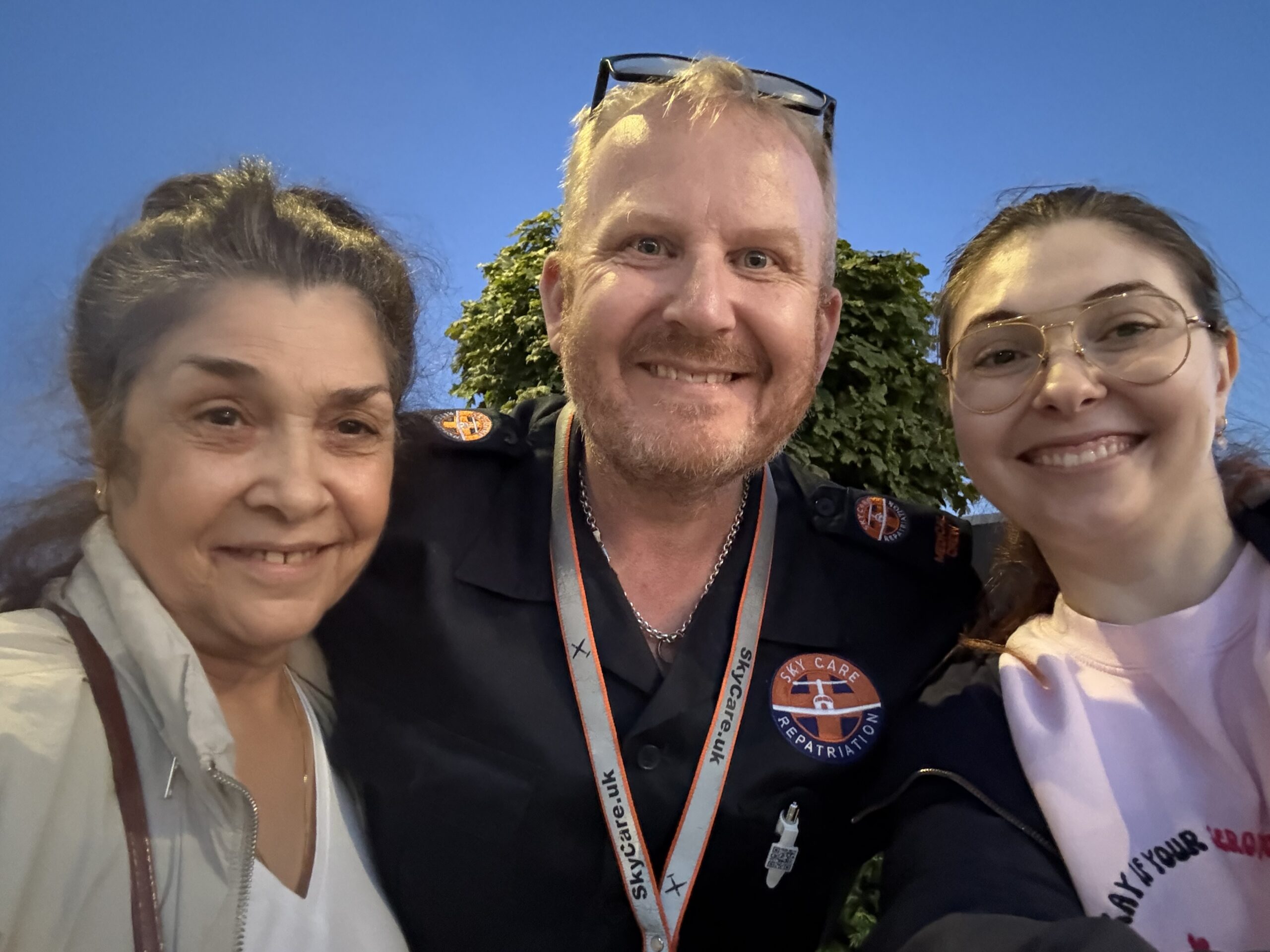
Commercial Medical Escort from London to Bulgaria
I couldn’t praise Craig and the team more! Craig was a literal life-saver and helped me so much during one of the toughest times in my life. He organised everything in less than 24 hours. If you ever need medical repatriation, SkyCare are the one and only choice you should be considering.

Commercial Medical Escort from Colombia to Essex
The team were a godsend they brought my son back from a nightmare fall on holiday in Columbia. He was with the team and I flew separately home the next day. I had no worries once I met them of him going on his own with them they were so friendly and professional. Thank you to all the team in Columbia and in England arranging it, I would highly recommend this team if you unfortunately ever needed this care.

Commercial Medical Escort from Colombia
Abbie and Connor brought me back from Columbia and they done an exceptional job with transferring me on the connecting flight. Multiple changes on wheelchairs and as pain free as possible. I’m very grateful to them for getting home. Thank you so much to Sky care for arranging all of this.

Ambulance from Austria to the UK
I needed to repatriate a relative from Austria at really short notice following an accident. The team at Skycare were absolutely wonderful – they assembled a crew at a days notice, kept me updated throughout the trip and were so professional and trustworthy. I would absolutely recommend them. They made a really stressful situation so much better – thank you to Craig, Ben, Emma Charlie and whole crew. So grateful to you!

Air Ambulance from France to Suffolk
Big shout out to the whole SkyCare team for my repatriation last week. I spent 2 weeks in hospital in France from a skiing accident and major surgery. The whole day ran very smoothly and I couldn’t have been looked after any better…
Following a very poor and frustrating experience with a medical insurance company who seemed focussed only on delaying matters we contacted SkyCare to organise medical repatriation for a family member we needed to get back to the UK. From start to finish we felt SkyCare offered the highest level of service obviously wanting the best medically for our relative but also professionally and speedily dealing with the necessary administration and formalities when coming from Iceland to the UK…
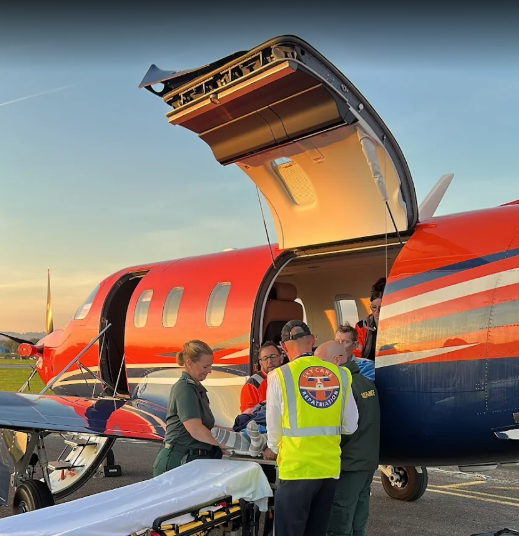
“The team at SkyCare could not have done more in supporting me getting my partner home. The transfer care was second to none and the support leading up to the transfer was excellent. David (complete with his broken leg) arrived back to a bed in an NHS hospital arranged by SkyCare. There really are not enough superlatives to describe the difference Craig, Ben, Ross etc all made. Thank you.”
“SkyCare have truly been lifesavers for us and our daughter who was taken ill overseas. They not only arranged the escorted flight home for our daughter but undertook all the hard graft of locating and liaising with the relevant UK hospital to get our daughter admitted directly on arrival in the UK. First Class Service!”
I’m so grateful to Craig and the team at SkyCare for guiding us through a difficult period. The team were always responsive and went above and beyond to assist our specific circumstances and challenges, to find a solution that was a safe and practical for us. They were personal and professional and treated us with sensitivity and compassion. I would 100% recommend them to everyone.
Commercial Medical Escort from Funchal to London
At a very desperate time, I was fortunate enough to find SkyCare and their wonderful team. My mother had a stroke overseas. The insurance team let us down badly so I looked at finding independent services to repatriate her back to the UK. SkyCare were able to provide a detailed and transparent price breakdown within 2 hrs . They provided a new quote within 30 min when we had to adjust an element of the repatriation. My insurance service would not provide a detailed quote…
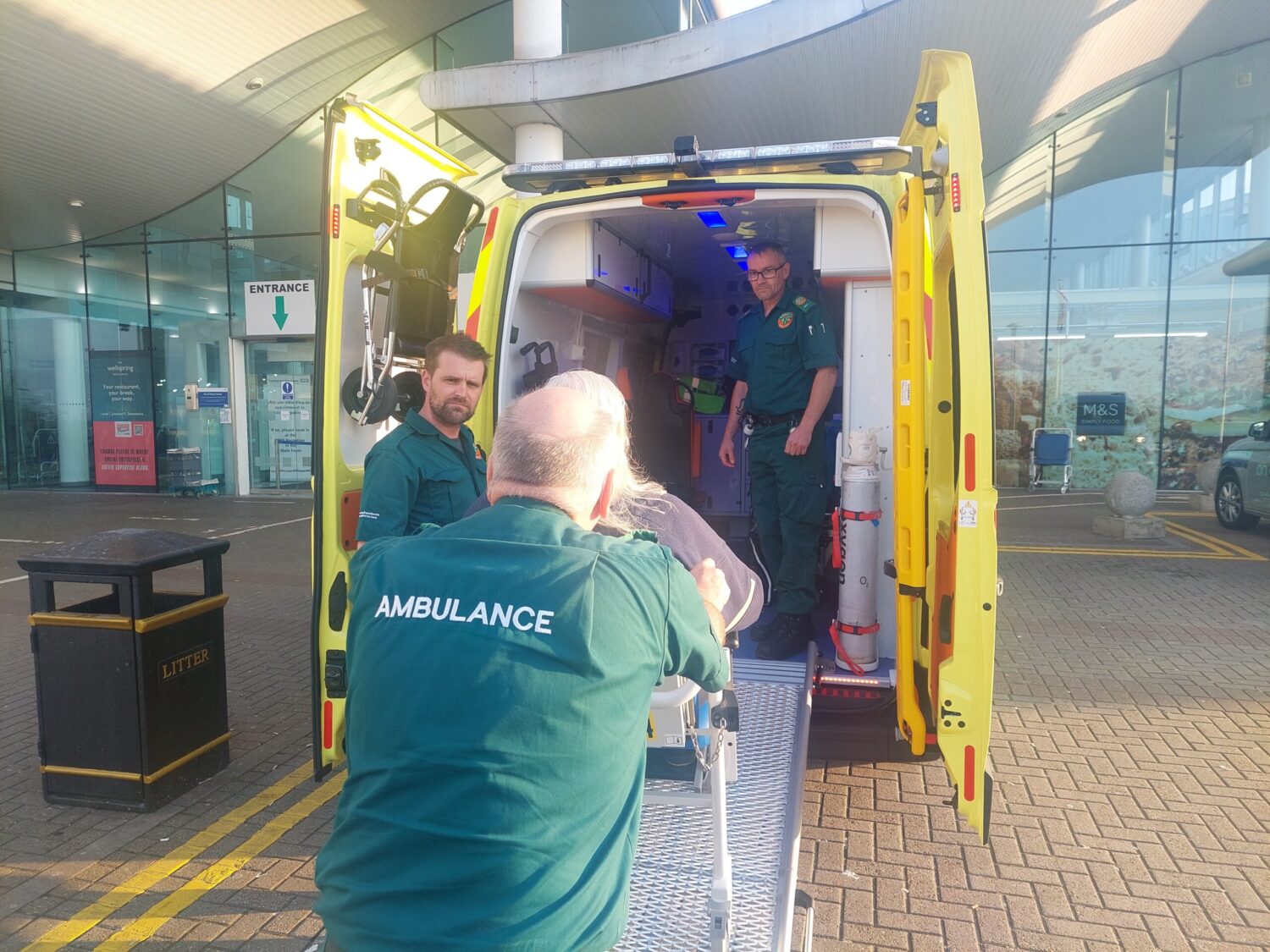
Road Ambulance from Worthing to London
A highly professional service, performed so efficiently at a moments notice, with kindness and even a little humour at such a difficult time for us. Highly recommend.

Craig and Ben were absolutely brilliant! The process was flawless and after the chaos of the incident that happened to my mum, Craig was fantastic in organizing everything so I didn’t need to worry! It went seamlessly and everyone was so kind! Best money spent to get my mum home for emergency surgery!! Hi Craig my name is Frank father of Louise (patient) & grandad of Liberty. Your company is exceptional, professional, with a wonderful caring attitude. Thank you so much for looking after my daughter. I recommend your company highly.
Superb service, from first contact to a positive result of repatriating my husband to a UK hospital, the support and care was fantastic. My husband Jim had a stroke at our house in Greece, after emergency treatment he was placed on a ward, which was awful. He had lost his speech and all movement on his right hand side. It is up to relatives to look after the patient in hospital, they only provide medical care. I was so stressed, trying to care for him…
Medical Repatriation Advice and Support
I recently spoke to Craig from SkyCare when my mum was seriously injured overseas and it looked like a medical repatriation was needed. His advice and communication was superb, helping me to navigate a market which appears to be full of brokers with misleading prices and shocking reviews. Fortunately, my mum was deemed stable enough to fly home commercially, and yet Craig still continued to provide advice even though…
Air Ambulance from Spain to London
SkyCare were beyond brilliant with us bringing my Dad back home to Wales by Air Ambulance after he suffered a major stroke in Tenerife. We were really impressed with the whole team’s professionalism and expertise from the first moment we contacted them to the day of the repatriation and even managing to reserve Dad a bed in the Stroke unit in Wrexham Hospital to avoid the delay and trauma of A&E after a very long day travelling…

Airport-to-Hospital Medical Transfer in London
Straightforward and genuine. Craig helped us get our mum safely from the airport to the hospital. Highly recommended.
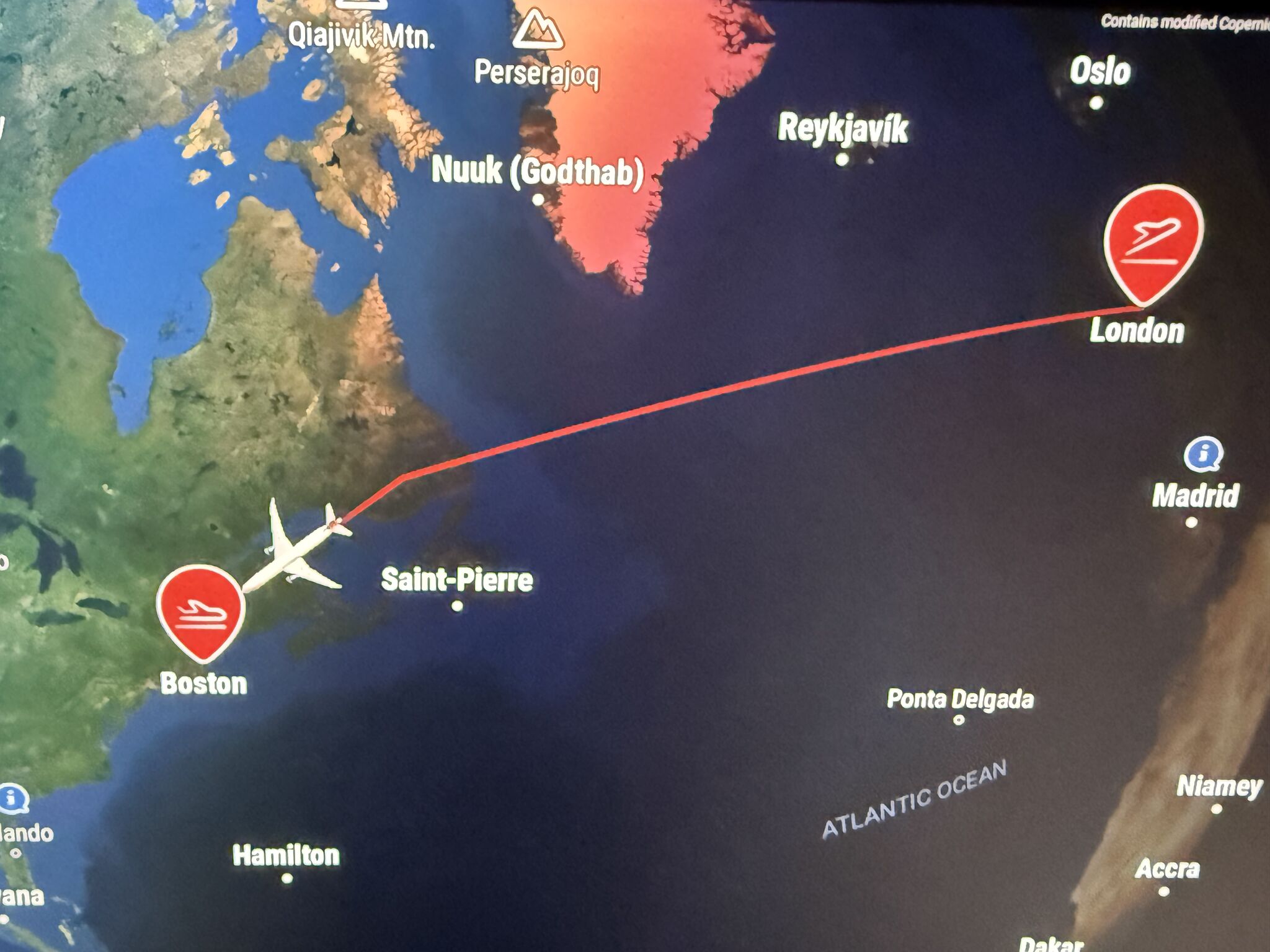
Commercial Medical Escort from Boston, MA to London
SkyCare made a complex overseas transfer from Boston to London feel effortless. Craig and Sarah were outstanding — calm, professional, and always in touch. They handled everything, from visas to flight logistics, with genuine care and attention. The costs were very reasonable, but it was their empathy and support for both patient and family that made all the difference. I can’t recommend them enough.
Vietnam to London — Medical Repatriation by SkyCare.
Fantastic professional company. We couldn’t have done this without them. My friend suffered a stroke and was paralysed on the right side. Due to a technicality, his insurance wouldn’t cover repatriation, so we had to go private. If anyone is ever in the same position, I wouldn’t hesitate to recommend SkyCare. They made a stressful situation feel manageable, and I’m so grateful for their calm, capable support throughout.

France to UK — Ski Injury Repatriation by SkyCare.
Fantastic service. I was repatriated from France after a skiing accident with multiple injuries. We contacted Craig at 4am and by 10pm I was home — ground ambulance, air ambulance, and ground ambulance again. Everything went smoothly with incredible medical care and kindness. After two miserable weeks in hospital, I finally felt safe and supported. I cannot thank SkyCare enough and wouldn’t hesitate to recommend them.
Vietnam to London — Stroke Repatriation by SkyCare.
Amazing team of people. My brother had a stroke in Vietnam and the insurance company were useless. SkyCare guided me through the process, sorted everything out, and got him safely home. The whole team were fantastic, but special thanks to the medical crew — Adam and Sarah — who flew out and did an incredible job. I can’t recommend SkyCare enough for their calm, professional help in such a difficult time.

UK to Malaysia — Long-Haul Medical Repatriation by SkyCare.
If you’re in the UK looking for a repatriation company, I couldn’t recommend SkyCare enough. They arranged medical transport for my dad from London to Kuala Lumpur — a 12-hour flight. From my first message, they responded quickly and handled all documents and approvals efficiently. Huge thanks to Craig for making everything smooth and to Nurse Nav for caring for my dad the whole way home.
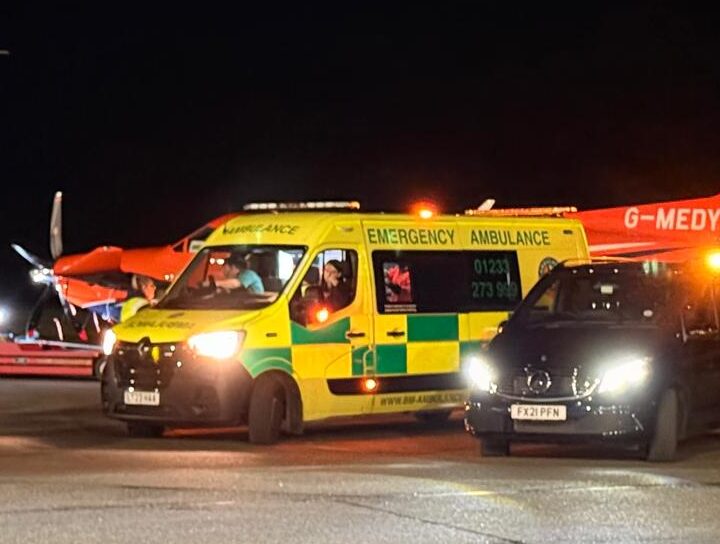
Spain to UK — Stroke Repatriation by SkyCare.
SkyCare were brilliant with us, helping to bring my dad home to England after he suffered a stroke in Spain. From the moment we reached out to the day of the repatriation itself, the entire team showed professionalism, compassion, and expertise. We felt fully supported and reassured throughout the process. Thank you to everyone involved — I wouldn’t hesitate to recommend SkyCare to anyone in a similar situation.
Las Palmas to UK — Air Ambulance Repatriation by SkyCare.
Thank you to Craig and Ben for organising our return home from Las Palmas. My dad was extremely anxious about the process, but everything ran so smoothly at every stage. Mum is now safe in Maidstone Hospital, and she’s just happy to be somewhere she can easily communicate. The whole experience was calm, compassionate, and professional — we really appreciate everything SkyCare did to make it seamless.
— Pete McNair (via email)
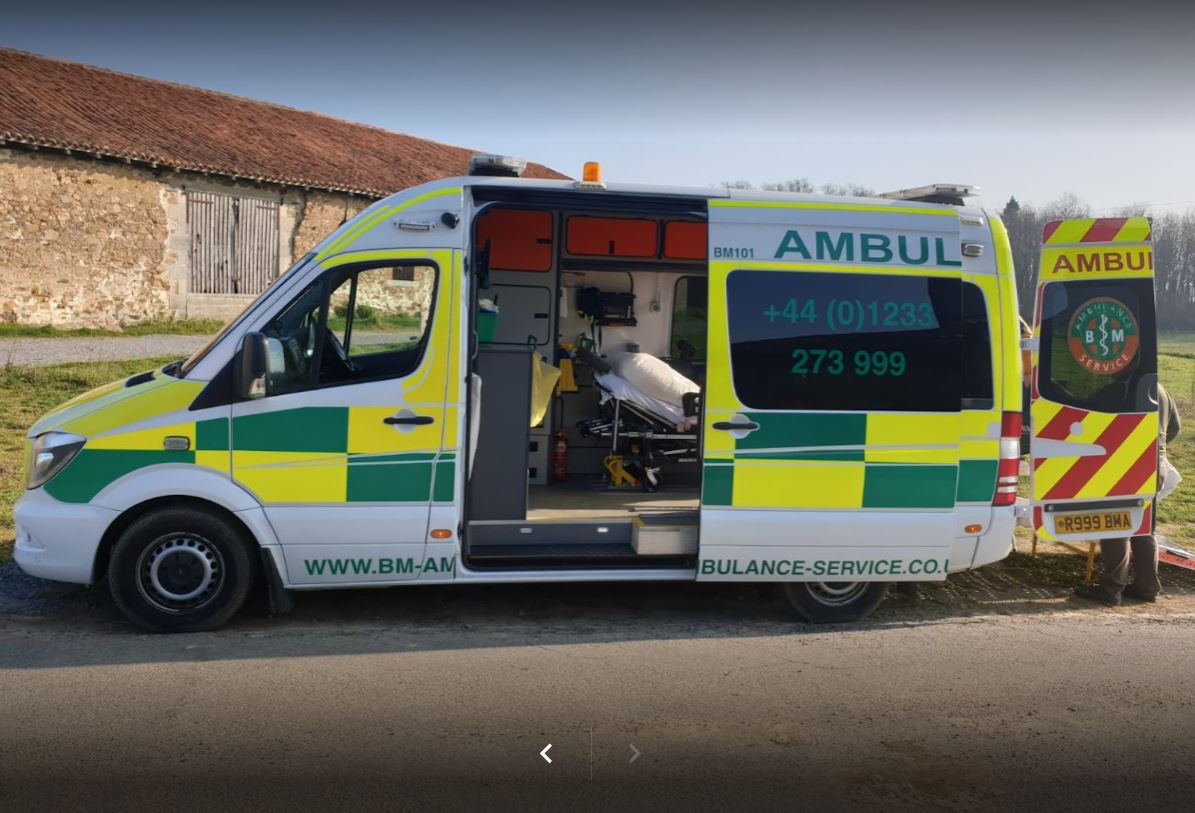
France to UK — COVID-Era Medical Repatriation by SkyCare.
From first contact to the final update confirming safe arrival, SkyCare’s care and coordination were second to none. They handled all COVID testing, documents, and border requirements with professionalism and warmth. Repatriating two elderly parents during a pandemic was daunting, but they made the process seamless — even providing journey tracking door to door. Their genuine care and clear communication reassured us at every stage. I highly recommend SkyCare for compassionate international patient transfers.
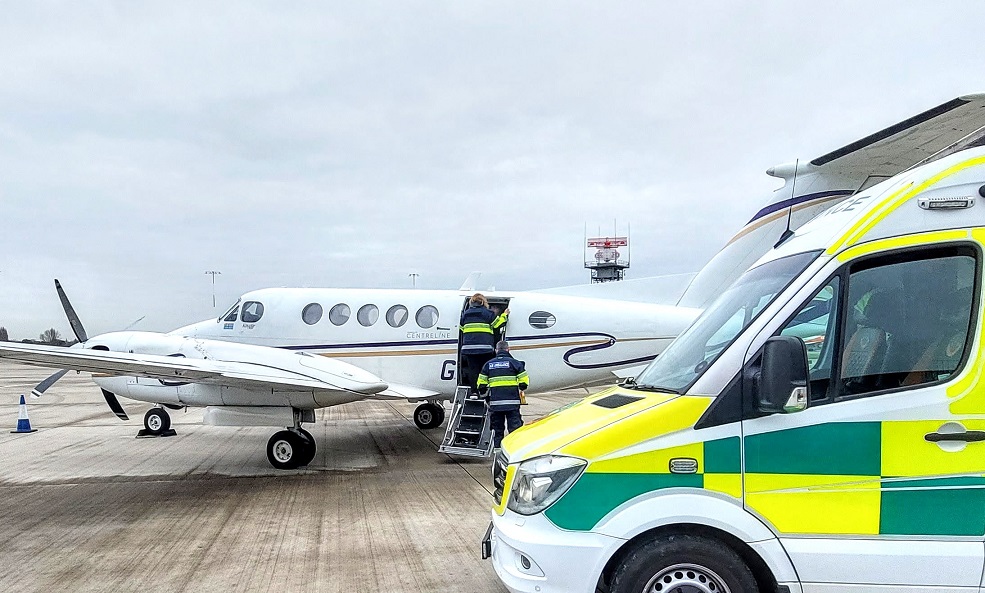
Cannot thank the team at BM Ambulance enough for getting my Dad home from Spain. Craig/Sarah/James/Emma & Danny were all absolutely amazing. It was a huge 24 hour journey and they made Mum & Dad feel comfortable and safe the entire way. I don’t think my Dad would have made it without your help. He’s still not in the best of health but at least we have him home. We definitely could not have done this without you. Thank you all involved. Amazing people offering a fantastic service. x

I would have given more than 5 stars if I could have. A big thank you to Craig, Sarah and John for the safe delivery of our much loved mum, mother in law, Nan and great grandmother from Spain after suffering a stroke.
Accreditations



British Business & General Aviation Association